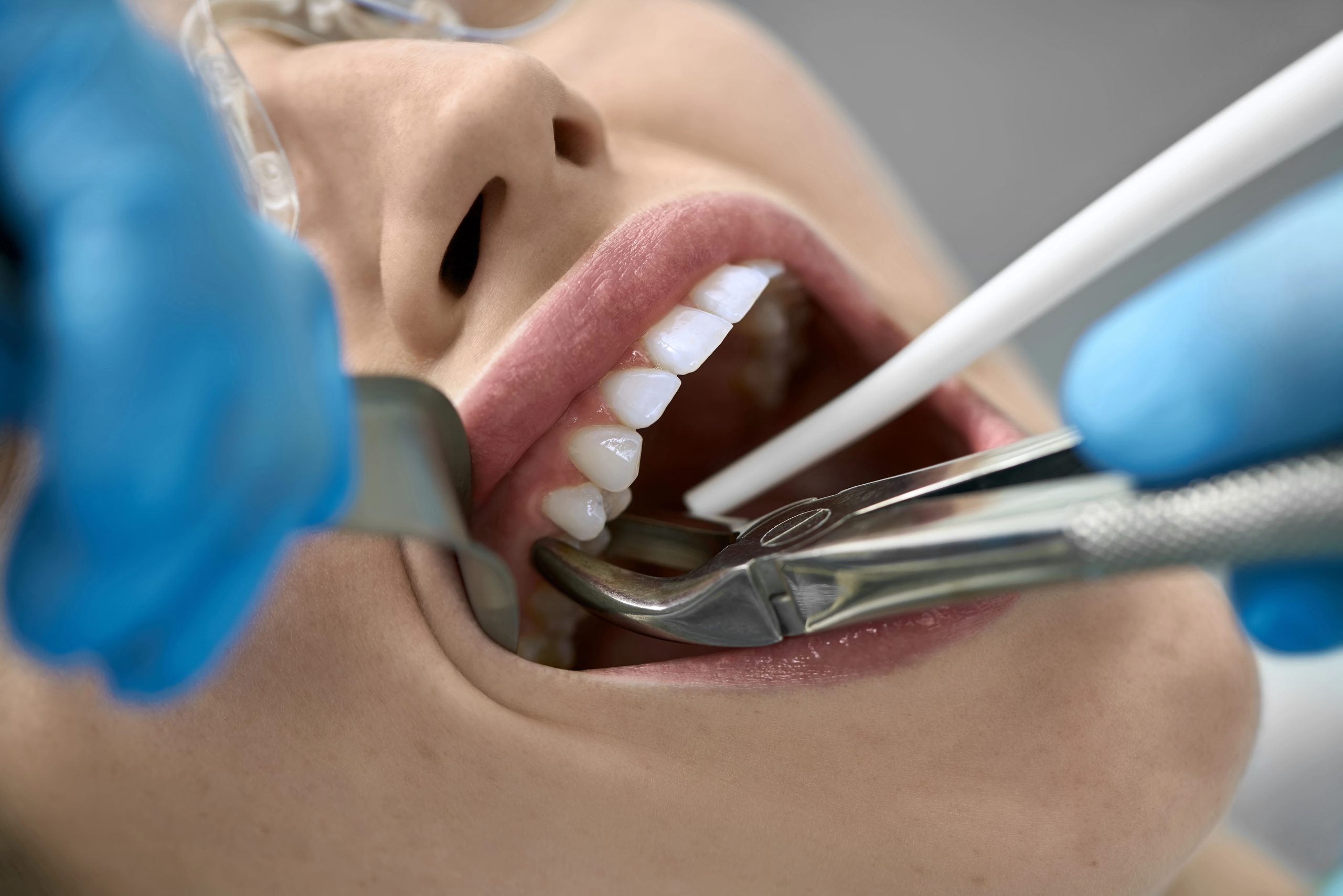
What are the risks of tooth extraction that you should be aware of? While generally safe, tooth extraction can lead to complications such as infection, dry socket, or nerve damage. Understanding these potential risks is crucial for informed decision-making.
Risks of Tooth Extraction
Tooth extraction, while common, can come with certain risks that patients should be aware of. One of the primary concerns is the potential for complications following the procedure. Common complications after extraction include dry socket, which occurs when the blood clot at the site of the extraction fails to develop properly or becomes dislodged. This can lead to severe pain and delay the healing process. Additionally, there is a risk of infection, which can manifest as swelling, fever, or pus discharge from the extraction site.
Another complication that may arise is damage to surrounding teeth or nerves, which can result in numbness or tingling in the lips, tongue, or chin. It’s important to monitor any unusual symptoms and consult with a healthcare professional if they occur. For those looking to understand more about managing these risks and ensuring a smooth recovery, you can explore our
Aftercare Tips for Tooth Extraction: Ensuring a Smooth Recovery. Being informed about the risks of tooth extraction can help in recognizing potential issues early and seeking appropriate care.
Infection Risks and Symptoms
One of the significant risks of tooth extraction is the potential for infection. After a tooth is removed, the site is vulnerable to bacteria, which can lead to an infection if not properly managed. Common symptoms of an infection include persistent swelling, severe pain, fever, and a foul taste in the mouth. It’s crucial to monitor these symptoms closely, as they can indicate that the healing process is not progressing as expected.
Understanding the risks of tooth extraction is essential for anyone considering this procedure. Infections can complicate recovery and lead to further health issues if not addressed promptly. For those seeking more information on professional care, visit our page on Norwood Professional Tooth Extraction to learn more about how extractions are managed by experts.
Dry Socket: Causes and Prevention
One of the significant risks of tooth extraction is the development of a condition known as dry socket. This occurs when the blood clot that forms in the socket after a tooth is removed becomes dislodged or dissolves before the wound has healed, exposing underlying nerves and bone. The exact causes of dry socket are not entirely understood, but it is believed that certain factors such as smoking, oral bacteria, or trauma to the extraction site may contribute to its occurrence. Preventing dry socket involves understanding these potential risk factors and being aware of the symptoms, which can include severe pain and an unpleasant taste in the mouth.
Nerve Damage Possibilities
One of the potential risks of tooth extraction is nerve damage, which can occur if the nerves near the extraction site are affected during the procedure. This can lead to temporary or, in rare cases, permanent numbness or tingling in the lips, tongue, or chin. While nerve damage is uncommon, it’s important to be aware of this possibility when considering tooth extraction. For more information on dental procedures and their associated risks, you can visit Norwood Dentist at Norwood Dental Cosmetics.
Bleeding and Clotting Concerns
One of the significant risks of tooth extraction is the potential for bleeding and clotting concerns. After a tooth is removed, it’s normal to experience some bleeding, but excessive or prolonged bleeding can be a cause for concern. The formation of a blood clot in the extraction site is crucial for proper healing, and any disruption to this clot can lead to complications such as dry socket, which can be painful and delay recovery. Understanding these risks of tooth extraction is essential for anyone considering the procedure, as it highlights the importance of monitoring the healing process closely.
Swelling and Bruising Effects
One of the common risks of tooth extraction is experiencing swelling and bruising in the affected area. These effects are a natural response of the body as it heals from the procedure. Swelling typically occurs as the tissues around the extraction site react to the removal of the tooth, while bruising may appear due to minor bleeding under the skin. Both symptoms can vary in intensity depending on the individual and the complexity of the extraction. Understanding these potential outcomes is crucial for anyone considering or undergoing a tooth extraction, as they are part of the body’s normal healing process.
Impact on Adjacent Teeth
One of the potential risks of tooth extraction is the impact it can have on adjacent teeth. When a tooth is removed, the surrounding teeth may shift or become misaligned over time, which can lead to changes in your bite and overall dental structure. This shifting can also create spaces that may become problematic, potentially leading to further dental issues. Understanding these risks of tooth extraction is important for maintaining long-term oral health and ensuring that any changes in your dental alignment are monitored closely.
Sinus Exposure Risks
One of the potential risks of tooth extraction, particularly when removing upper molars, is sinus exposure. This occurs when the roots of the teeth are in close proximity to the maxillary sinuses, and the extraction process inadvertently creates an opening between the mouth and the sinus cavity. Such exposure can lead to complications like sinus infections or prolonged healing times. It’s important to be aware of these risks of tooth extraction, as they can impact recovery and overall oral health.
Delayed Healing Factors
When considering the risks of tooth extraction, it’s important to be aware of factors that can contribute to delayed healing. Certain conditions, such as smoking, diabetes, or a compromised immune system, may slow down the recovery process after a tooth is removed. Additionally, poor oral hygiene and not following post-operative care instructions can also impact the healing timeline. Understanding these potential risks of tooth extraction can help in anticipating the recovery period and managing expectations.