115 Norwood Park South #204, Norwood, MA 02062

(781) 222-0327

Norwood Dentistry
  • Home
  • About Us
    • Meet Our Team
  • Services
    • General Dentistry
      • Dental Cleaning And Exams
      • Digital X-Rays
      • Gum Disease Treatment
      • Oral Cancer Screening
      • Oral Examinations and Consultations
      • Tooth Fillings
    • Cosmetic Dentistry
      • Cosmetic Bonding
      • Dental Crowns
      • Dental Bridges
      • Dental Veneers
      • Gum Contouring
      • Teeth Whitening
    • Restorative Dentistry
      • Dentures
      • Retainers
      • Scaling and Root Planing
      • TMJ Evaluation
    • Emergency Dentistry
      • Tooth Extractions
      • Root Canal Therapy
    • Dental Implants
      • Mouth Reconstruction Service
    • Invisalign
  • Patient Resources
    • Insurance & Financing
    • Membership Plan
    • Patient Forms
      • HIPAA Form
      • Patient Medical History Form
      • Office Policy Form
      • X-Ray Consent Form
      • Dental Membership Form
  • Smile Gallery
  • Blog
  • Contact
Book Now
  • Dentist Cleaning: What to Expect

    Dentist Cleaning: What to Expect

    Dentist Cleaning

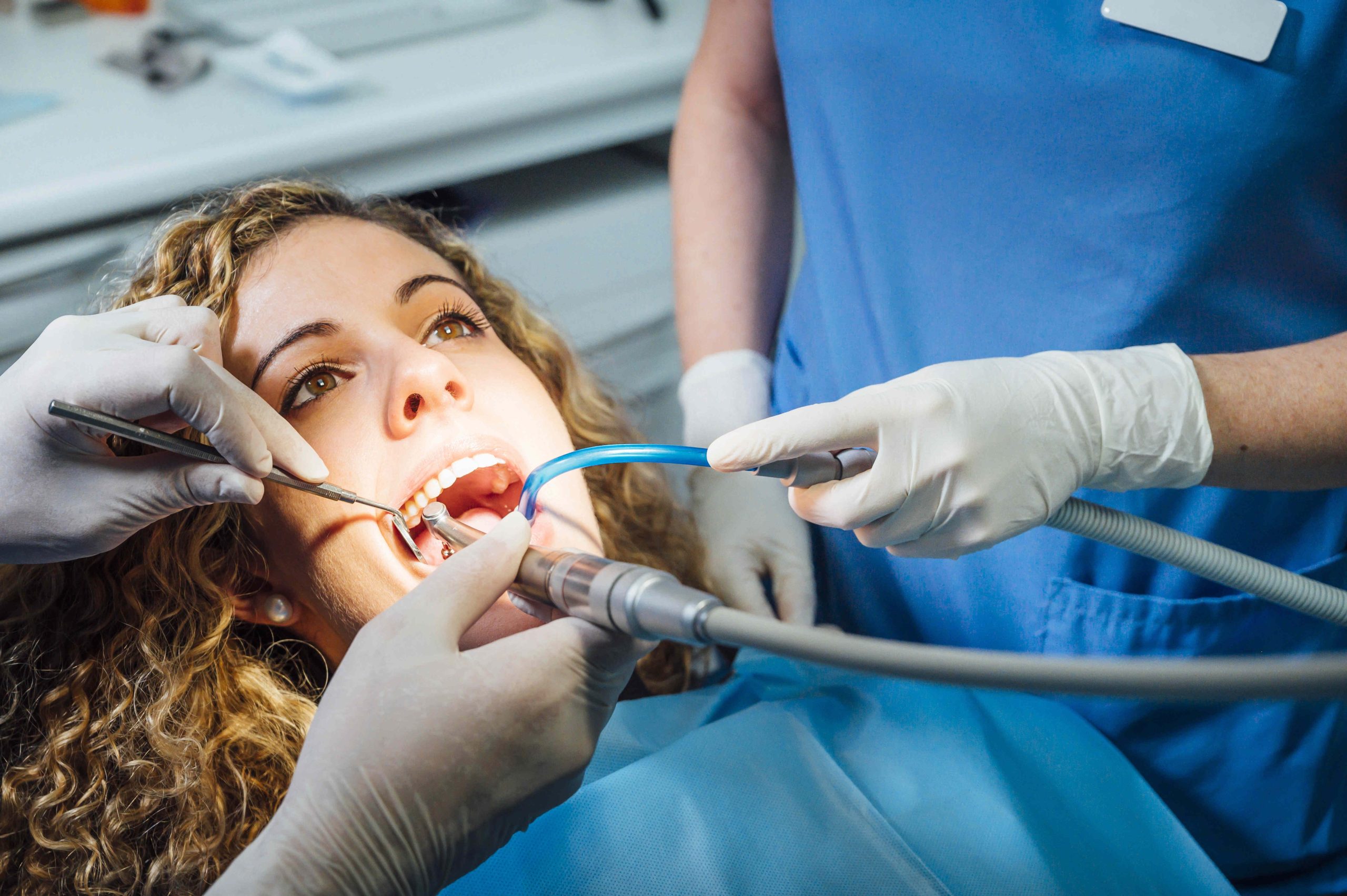
    When you arrive for your dentist cleaning appointment, the process typically begins with a warm welcome at the reception area. The staff will guide you through the check-in process, which usually involves confirming your appointment details and updating any necessary personal information.

    This initial step ensures that your visit goes smoothly and that the dental team is prepared to provide you with the best care possible. Once you complete the check-in, you may be asked to wait briefly in the reception area until a dental hygienist is ready to see you. This waiting period is generally short, as dental offices strive to maintain a timely schedule.

    If you’re curious about the duration of the entire procedure, you might find it helpful to read more about How Long Does a Dental Cleaning Take?

    What is an Initial Oral Examination?

    The initial oral examination is a crucial part of any dentist cleaning appointment. During this phase, the dentist conducts a comprehensive assessment of your oral health, checking for signs of tooth decay, gum disease, and other potential issues that might need attention.

    The dentist may also take X-rays to get a clearer picture of your dental structure, ensuring any underlying problems are identified early. This thorough examination sets the stage for a more effective cleaning process, allowing the dentist to tailor the cleaning to your specific needs.

    Understanding what happens during the initial oral examination can help alleviate any anxiety you might have about your dentist cleaning visit. For more details on the cleaning process, visit our Dental Cleaning Services Norwood page.

    Understanding Plaque and Tartar

    Plaque and tartar are common dental concerns that many people encounter during routine cleanings. Plaque is a soft, sticky film of bacteria that forms on your teeth and gums, often resulting from consuming foods and beverages.

    If not removed through regular brushing and flossing, plaque hardens into tartar (or calculus), a more stubborn substance that adheres to the teeth. Tartar buildup can lead to various oral health issues, including gum disease and cavities, making it a focal point during dental cleanings.

    Understanding plaque and tartar is essential for maintaining oral health and ensuring that your dental visits are as effective as possible.

    The Role of Dental Hygienists

    During a dentist cleaning, the dental hygienist plays a crucial role in maintaining your oral health. They perform the initial examination of your teeth and gums, remove plaque and tartar buildup, and polish your teeth to ensure they are clean and smooth.

    The dental hygienist also educates patients on proper oral hygiene practices to prevent future dental issues. Their expertise and attention to detail are essential in providing a thorough and effective cleaning experience.

    For those seeking professional dental care, Norwood Dental Cosmetics offers a comprehensive approach to oral health. Learn more on their Norwood Dentist page.

    Tools of the Trade Explained

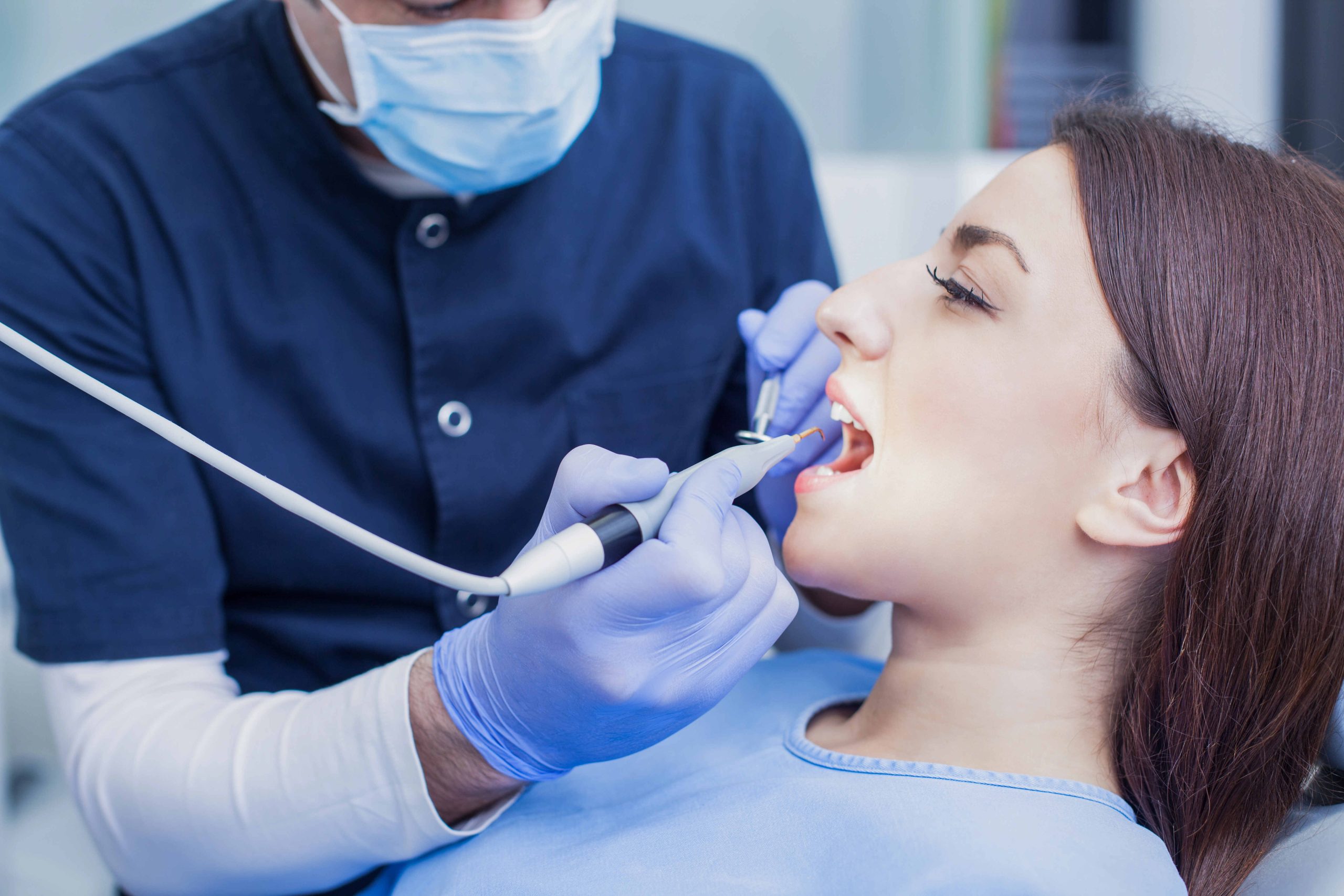
    During a dentist cleaning, you may notice a variety of tools used throughout the process. These tools are essential for ensuring a thorough and effective cleaning. Common instruments include scalers and curettes, which remove plaque and tartar from the teeth.

    A dental mirror helps the dentist see hard-to-reach areas, while an ultrasonic cleaner uses vibrations to dislodge stubborn deposits. Polishing tools are also employed to smooth the tooth surface, leaving your smile feeling fresh and clean.

    Understanding these tools can help demystify the dentist cleaning experience, making it more comfortable and familiar.

    The Cleaning Procedure Breakdown

    Understanding the cleaning procedure can help ease any apprehensions. The process begins with a thorough examination of your oral health, where the dentist or hygienist checks for signs of gum disease or other issues.

    This is followed by the removal of plaque and tartar using specialized tools, ensuring even hard-to-reach areas are addressed. Next, your teeth are polished to remove surface stains and give them a smooth finish. Finally, flossing is performed to clear debris from between your teeth.

    This comprehensive dentist cleaning process enhances oral hygiene and contributes to overall dental health.

    Post-Cleaning Sensations and Feelings

    After a dentist cleaning, it’s common to experience various sensations and feelings in your mouth. Many people report a sense of freshness and smoothness on their teeth, which can be quite satisfying.

    However, some individuals might notice slight sensitivity, especially if significant plaque or tartar buildup was removed. This sensitivity is usually temporary and subsides within a few days. Additionally, your gums might feel tender or appear slightly swollen, a normal reaction to the thorough cleaning process.

    Overall, the sensations following a dentist cleaning are generally mild and indicate that your oral health is being maintained.

    Frequency of Dental Cleanings

    Understanding the frequency of dentist cleaning appointments is essential for optimal oral health. Most individuals are advised to visit their dentist for a professional cleaning every six months. This routine helps remove plaque and tartar that regular brushing and flossing might miss.

    However, the exact frequency can vary based on individual oral health needs, which a dental professional can assess during your visits. Regular dentist cleanings play a crucial role in preventing dental issues and ensuring a healthy smile.

    Importance of Regular Dental Visits

    Regular dental visits are crucial for maintaining oral health and preventing issues before they become serious. Dentist cleanings are an essential part of these visits, helping to remove plaque and tartar buildup that regular brushing might miss.

    By attending routine check-ups, individuals can ensure that their teeth and gums remain healthy, reducing the risk of cavities, gum disease, and other problems. These visits also allow dentists to monitor any changes in oral health, addressing concerns promptly.

    Overall, consistent dental appointments contribute significantly to long-term oral hygiene and well-being.

    Conclusion

    Understanding what to expect during a dentist cleaning can ease any apprehensions you may have. For more insights, feel free to check out reviews on Google Maps or call 781-222-0327 for further information.


    admin

    November 6, 2024
  • How Long Does a Dental Cleaning Take?

    How Long Does a Dental Cleaning Take?

    How Long Does a Dental Cleaning Take?

    When considering a visit to the dentist, many people wonder, “How long does a dental cleaning take?” Typically, a standard dental cleaning session lasts between 30 minutes to an hour. This duration can vary depending on the individual’s oral health condition and the thoroughness required by the dental hygienist.

    During this time, the dental professional will perform a comprehensive cleaning that includes scaling to remove plaque and tartar, polishing the teeth, and sometimes applying fluoride treatment. Understanding the typical duration of dental cleaning can help patients plan their visits more effectively.

    It’s important to note that regular dental cleanings are essential for maintaining oral health and preventing potential issues. For more on maintaining optimal dental health, you might be interested in How Often Should You Get Your Teeth Cleaned?

    Factors Affecting Cleaning Time

    The duration of a dental cleaning can vary significantly based on several factors. One primary factor is the individual’s oral health condition. Patients with a history of regular dental visits and good oral hygiene practices may experience shorter cleaning times, as there is typically less plaque and tartar buildup to address.

    Conversely, those who have not visited the dentist in a while or have more complex dental issues may require a longer session to ensure a thorough cleaning. Additionally, the specific procedures involved can impact cleaning time.

    A standard cleaning might take less time compared to a deep cleaning, which is more intensive and often necessary for patients with gum disease. The expertise and techniques of the dental hygienist can also play a role. For more details, consult the Norwood Dental Cleaning Experts.

    Initial Examination and Assessment

    When considering “How long does a dental cleaning take?” it’s important to understand that the process often begins with an initial examination and assessment. This step is crucial as it allows the dental professional to evaluate the health of your teeth and gums before cleaning.

    During this phase, the dentist or hygienist typically checks for signs of cavities, gum disease, or other oral health issues. The duration of this examination can vary depending on individual needs, but it is essential for a thorough and effective cleaning experience.

    Professional Teeth Cleaning Process

    Understanding the professional teeth cleaning process is essential when considering how long a dental cleaning takes. A dental cleaning generally involves several steps, starting with an examination by a dental hygienist.

    This is followed by the removal of plaque and tartar using specialized tools, which is crucial for healthy teeth and gums. After cleaning, teeth are polished to remove surface stains, leaving your smile brighter. This efficient and effective process ensures your dental health is in top condition.

    For more specifics on dental cleanings, Norwood Dental Cosmetics provides insights into what you can expect from a Norwood Dentist visit.

    Scaling and Polishing Explained

    Understanding the procedures of scaling and polishing is essential when considering how long a dental cleaning takes. Scaling involves removing plaque and tartar from the teeth and below the gumline, which is key for maintaining oral health.

    This step’s duration varies based on the amount of buildup present. Following scaling, polishing smooths the tooth surfaces, making it harder for plaque to accumulate. The time needed for these procedures depends on individual oral health conditions, but they are integral to a comprehensive cleaning.

    Role of the Dental Hygienist

    The dental hygienist’s role is crucial in determining how long a dental cleaning takes. These trained professionals perform the initial examination of your oral health and handle the cleaning process.

    They meticulously remove plaque and tartar buildup, polish teeth, and provide guidance on maintaining oral hygiene. The expertise and efficiency of a dental hygienist can influence the cleaning session’s duration, ensuring it is thorough yet timely.

    Frequency of Dental Cleanings

    Knowing the recommended frequency of dental cleanings helps maintain optimal oral health. Generally, visiting the dentist twice a year is recommended, though personal needs may vary.

    Regular cleanings facilitate early detection of potential issues and keep your teeth and gums healthy. When considering how long a dental cleaning takes, remember that consistent appointments often result in shorter, more efficient visits as there is less buildup to address.

    Post-Cleaning Procedures Overview

    After understanding how long a dental cleaning takes, it’s helpful to know about post-cleaning procedures. Once the cleaning is complete, the dental professional may conduct a brief examination to ensure your teeth and gums are healthy.

    This check might involve looking for cavities, gum disease, or other oral health issues. They may also discuss any findings and suggest a follow-up schedule. Post-cleaning procedures are crucial for oral health maintenance and addressing any issues promptly.

    Importance of Regular Dental Visits

    Regular dental visits are key for oral health and preventing dental issues. While many wonder, “How long does a dental cleaning take?” it’s essential to recognize that these appointments go beyond cleaning teeth.

    They allow dental professionals to assess overall oral health, detect early problems, and offer guidance on maintaining a healthy mouth. Routine check-ups help catch issues before they become severe, keeping your teeth and gums in optimal condition. Prioritizing regular dental visits supports long-term oral health and well-being.

    Conclusion

    Understanding how long a dental cleaning takes can help you plan your visit better. For more information, feel free to call 781-222-0327 or check out our Google Maps reviews.

    admin

    November 6, 2024
  • How Often Should You Get Your Teeth Cleaned?

    How Often Should You Get Your Teeth Cleaned?

    How often should you get your teeth cleaned? This common question doesn’t have a one-size-fits-all answer, as it can depend on individual dental health needs. Generally, many people find that visiting the dentist for a professional cleaning every six months helps maintain oral health.

    How Often Should You Get Your Teeth Cleaned?

    Regular dental visits play a crucial role in maintaining optimal oral health. Understanding the importance of these visits can help you determine how often you should get your teeth cleaned. Routine check-ups allow dental professionals to monitor your oral health, identify potential issues early, and provide necessary interventions to prevent more serious problems. These visits are not just about cleaning your teeth; they are comprehensive evaluations that contribute to your overall well-being.

    The question “How Often Should You Get Your Teeth Cleaned?” is best answered by considering the benefits of consistent dental care. Regular appointments help in removing plaque and tartar buildup that cannot be eliminated by regular brushing and flossing alone. This preventive approach is essential in reducing the risk of cavities, gum disease, and other oral health issues. For more detailed insights into the process, you can explore Professional Teeth Cleaning Explained.

    Frequency for Adults

    When considering how often you should get your teeth cleaned, it’s important to understand that the frequency can vary based on individual oral health needs. Generally, adults are advised to schedule dental cleanings at least twice a year. This routine helps maintain optimal oral hygiene and allows dental professionals to monitor any changes in your dental health. Regular cleanings can help prevent the buildup of plaque and tartar, which are common contributors to tooth decay and gum disease.

    While the standard recommendation is biannual visits, some adults may require more frequent cleanings due to specific dental conditions or risk factors. It’s essential to consult with your dentist to determine the best schedule for your dental cleanings. For those in the Norwood area, you can learn more about maintaining your oral health by visiting our page on Professional Dental Cleaning Norwood.

    Children’s Dental Cleaning Schedule

    When considering how often should you get your teeth cleaned, it’s important to recognize that children’s dental cleaning schedules can differ from adults. Typically, children should begin dental visits by their first birthday, with cleanings recommended every six months thereafter. This regular schedule helps monitor the development of their teeth and gums, ensuring any potential issues are identified early. Establishing a consistent dental cleaning routine from a young age is crucial for maintaining oral health as they grow.

    Impact of Oral Health Habits

    Understanding the impact of oral health habits is crucial when considering how often you should get your teeth cleaned. Daily practices such as brushing and flossing play a significant role in maintaining oral hygiene, but they are not a substitute for professional dental cleanings. Regular dental visits help remove plaque and tartar that can accumulate despite good oral habits, ensuring your teeth and gums remain healthy. The frequency of these cleanings can vary based on individual oral health needs, which is why it’s important to consult with a dental professional. For those in the Norwood area, Norwood Dentist offers insights into maintaining optimal oral health.

    Role of Diet in Dental Health

    The role of diet in dental health is a crucial factor to consider when pondering the question, “How often should you get your teeth cleaned?” A balanced diet not only supports overall health but also plays a significant part in maintaining oral hygiene. Consuming a variety of nutrients can help keep your teeth and gums healthy, potentially influencing the frequency of professional cleanings needed. Foods rich in vitamins and minerals contribute to stronger teeth and gums, while excessive sugar intake can lead to plaque buildup and cavities, which might necessitate more frequent dental visits. Understanding the impact of your dietary choices on your oral health can provide insight into how often you should schedule your teeth cleaning appointments.

    Effects of Skipping Cleanings

    Understanding how often you should get your teeth cleaned is crucial for maintaining optimal oral health. Skipping regular dental cleanings can lead to a buildup of plaque and tartar, which are primary contributors to tooth decay and gum disease. Over time, this accumulation can cause inflammation and infection in the gums, potentially leading to more severe conditions such as periodontitis. Additionally, neglecting routine cleanings may result in persistent bad breath and unsightly stains on your teeth, affecting your overall confidence and well-being. Regular dental visits play a vital role in preventing these issues and ensuring that your smile remains healthy and vibrant.

    Signs You Need a Cleaning

    When considering how often you should get your teeth cleaned, it’s important to be aware of certain signs that indicate a dental cleaning might be necessary. Common indicators include persistent bad breath, noticeable plaque buildup, or gums that bleed during brushing or flossing. These symptoms can suggest that your oral hygiene routine may not be sufficient and that a professional cleaning could be beneficial. Additionally, if you experience tooth sensitivity or notice any discoloration, it might be time to evaluate how often you should get your teeth cleaned to maintain optimal oral health.

    Dental Cleaning and Gum Health

    Regular dental cleaning plays a crucial role in maintaining optimal gum health, which is an essential aspect of overall oral hygiene. When considering how often you should get your teeth cleaned, it’s important to understand that professional cleanings help remove plaque and tartar buildup that regular brushing and flossing might miss. This process not only keeps your teeth looking their best but also supports the health of your gums by preventing inflammation and potential gum disease. Healthy gums are vital for a strong foundation for your teeth, and routine dental cleanings can contribute significantly to this aspect of oral care.

    Professional vs. At-Home Care

    When considering how often you should get your teeth cleaned, it’s important to understand the distinction between professional dental cleanings and at-home oral care. Professional cleanings, typically performed by a dentist or dental hygienist, involve specialized tools and techniques to remove plaque and tartar buildup that regular brushing and flossing might miss. On the other hand, at-home care focuses on daily maintenance through brushing, flossing, and using mouthwash to maintain oral hygiene between dental visits. While both play crucial roles in oral health, professional cleanings provide a deeper level of care that complements your at-home routine. Understanding this balance can help you determine how often you should get your teeth cleaned to maintain optimal dental health.

    Conclusion

    Understanding how often you should get your teeth cleaned is essential for maintaining oral health, and for more information or to schedule an appointment, call 781-222-0327 or visit our Google Maps page to read reviews.

    admin

    November 6, 2024
  • Professional Teeth Cleaning Explained

    Professional Teeth Cleaning Explained

    Professional Teeth Cleaning

    Regular professional teeth cleaning is essential for maintaining optimal oral health. These cleanings help remove plaque and tartar buildup that regular brushing and flossing might miss, reducing the risk of cavities and gum disease. By scheduling consistent cleanings, individuals can ensure that their teeth and gums remain healthy, potentially preventing more serious dental issues in the future.

    Professional teeth cleaning also contributes to fresher breath and a brighter smile, enhancing overall confidence and well-being. In addition to promoting oral health, regular cleanings allow dental professionals to monitor any changes in the mouth, catching potential problems early. This proactive approach can lead to more effective treatment plans and better long-term outcomes.

    Understanding the different Types of Dental Cleaning You Should Know can further enhance one’s knowledge of maintaining oral hygiene.

    Steps in a Dental Cleaning

    Professional teeth cleaning is a comprehensive process that ensures your oral health is maintained at its best. The procedure typically begins with a thorough examination of your mouth, where the dental hygienist checks for any signs of gum disease or other oral health issues.

    This is followed by the removal of plaque and tartar using specialized tools, a step crucial for preventing cavities and maintaining healthy gums. Once the teeth are free from buildup, the hygienist will proceed to polish them, which helps remove surface stains and leaves your teeth looking brighter.

    The final step involves flossing between your teeth to ensure no debris is left behind. This comprehensive approach enhances your smile’s appearance and contributes significantly to your overall oral health. To learn more, visit our page on Affordable Dental Cleaning Norwood.

    Tools Used by Hygienists

    In professional teeth cleaning, dental hygienists use a variety of specialized tools to ensure optimal oral health. These tools are designed to effectively remove plaque, tartar, and stains from the teeth, contributing to a cleaner and healthier mouth.

    Common instruments include scalers and curettes, which meticulously clean the surfaces of the teeth and beneath the gumline. Ultrasonic scalers may also be used, utilizing high-frequency vibrations to dislodge stubborn deposits. Additionally, polishers equipped with a rotating rubber cup and a special paste help smooth the tooth surfaces, enhancing their appearance and feel.

    Each tool plays a crucial role in the comprehensive process of professional teeth cleaning, ensuring that patients leave with a refreshed and polished smile.

    Plaque and Tartar Removal

    Professional teeth cleaning is essential for maintaining oral health, focusing on the effective removal of plaque and tartar. Plaque, a sticky film of bacteria, constantly forms on your teeth and can lead to cavities and gum disease if not managed properly.

    Over time, if plaque is not removed, it hardens into tartar, which only professional cleaning can eliminate. This process not only helps prevent dental issues but also contributes to a brighter smile and fresher breath. For more on maintaining oral health, Norwood Dental Cosmetics offers insights into the importance of regular dental visits at their Norwood Dentist location.

    Gum Health Assessment

    A crucial component of professional teeth cleaning is the gum health assessment, which plays a vital role in maintaining overall oral health. During this assessment, dental professionals examine the gums for signs of inflammation, recession, and other indicators of periodontal disease.

    This evaluation helps identify potential issues that may not be immediately visible, ensuring that any underlying conditions are addressed promptly. By understanding the state of your gum health, you can gain insights into your oral hygiene practices and their impact on your gums.

    This assessment is an integral part of a comprehensive dental check-up, highlighting the importance of regular visits to monitor and maintain gum health effectively.

    Fluoride Treatment Overview

    Fluoride treatment is a common component of professional teeth cleaning that plays a crucial role in maintaining oral health. During a cleaning session, fluoride is applied to the teeth to strengthen the enamel and protect against cavities.

    This treatment enhances the teeth’s natural defenses, making them more resistant to decay. By incorporating fluoride treatment into regular dental visits, individuals can support their overall dental hygiene and contribute to long-term oral health.

    Common Cleaning Myths

    When it comes to professional teeth cleaning, several myths can cloud our understanding of this essential dental practice. One common misconception is that professional teeth cleaning can damage enamel. In reality, the process is designed to protect and preserve your teeth’s natural structure.

    Another myth suggests that regular brushing and flossing can replace the need for professional cleaning. While daily oral hygiene is crucial, professional cleanings are necessary to remove tartar and plaque buildup that home care cannot address.

    Additionally, some believe that professional cleaning is painful. However, most patients find the procedure comfortable and beneficial for maintaining oral health. Dispelling these myths helps clarify the importance of professional teeth cleaning for a healthy smile.

    Frequency of Professional Cleanings

    Understanding the frequency of professional teeth cleaning is essential for optimal oral health. Professional cleaning is a key part of dental care that removes plaque and tartar buildup that regular brushing and flossing might miss.

    While the exact frequency can vary based on individual needs, many people find that scheduling professional cleaning sessions at regular intervals supports their dental hygiene. Routine care not only contributes to a brighter smile but also helps prevent potential oral health issues.

    Post-Cleaning Sensations

    After professional teeth cleaning, many experience a variety of sensations that are normal. It’s common to feel freshness and smoothness on the surface of your teeth, as plaque and tartar removal leaves them polished.

    Some might notice temporary sensitivity to hot or cold foods, a typical response as the teeth adjust to their cleaned state. This sensitivity usually subsides within a few days.

    Additionally, your gums may feel slightly tender or appear a bit redder than usual—a natural reaction to the thorough cleaning. These post-cleaning sensations contribute to improved oral health and a brighter smile.

    Conclusion

    Understanding the importance of Professional Teeth Cleaning can lead to better oral health. For more information or to schedule an appointment, call 781-222-0327 or check out our Google Maps reviews.

    admin

    November 6, 2024
  • Types of Dental Cleaning You Should Know

    Types of Dental Cleaning You Should Know

    Types of Dental Cleaning

    Routine Dental Cleaning is one of the most common types of dental cleaning that individuals undergo to maintain oral health. This procedure, typically performed by a dental hygienist, involves the removal of plaque and tartar from the teeth surfaces. It is an essential part of oral hygiene that helps prevent cavities, gingivitis, and periodontal disease.

    During a routine cleaning, the hygienist uses specialized tools to clean the teeth thoroughly, ensuring that any buildup is effectively removed. This process also includes polishing to remove surface stains, making teeth smoother. Routine dental cleanings are generally recommended at regular intervals to ensure optimal dental health.

    For a visual understanding of the impact of such cleanings, you can explore the transformation in oral hygiene by viewing Tartar Before and After Dental Cleaning.

    Deep Cleaning Procedure

    Deep cleaning, also known as scaling and root planing, is a crucial type of dental cleaning that targets areas below the gumline. Unlike regular cleanings that focus on tooth surfaces, deep cleaning removes plaque and tartar from the roots and pockets between teeth and gums. This procedure is especially essential for individuals experiencing early signs of gum disease.

    The deep cleaning process typically involves two main steps: scaling and root planing. Scaling removes plaque and tartar from the teeth and below the gums, while root planing smooths the roots to help gums reattach to the tooth structure. This approach reduces inflammation and prevents gum disease from progressing.

    To learn more about maintaining oral health through various types of dental cleaning, visit our Norwood’s Best Dental Cleaning page.

    Periodontal Maintenance Cleaning

    Periodontal Maintenance Cleaning is a specialized type of dental cleaning for individuals who have experienced gum disease. Unlike routine cleanings, this procedure focuses on maintaining gum health and preventing further progression of periodontal issues.

    It involves thorough cleaning below the gum line to remove plaque and tartar that can lead to inflammation and infection. As an essential type of dental cleaning, periodontal maintenance is usually performed more frequently than standard cleanings to manage ongoing periodontal conditions effectively.

    Scaling and Root Planing

    Scaling and Root Planing is a critical procedure among various types of dental cleaning for addressing gum disease. This deep cleaning method meticulously removes plaque and tartar below the gum line, ensuring that the roots are smooth and free from bacterial toxins.

    Unlike routine cleanings, which focus on tooth surfaces, Scaling and Root Planing targets areas often missed during routine hygiene. This process helps maintain oral health and prevents further periodontal issues. For more on maintaining dental health, visit Norwood Dentist at Norwood Dental Cosmetics.

    Gross Debridement Cleaning

    Gross Debridement Cleaning is often necessary for individuals who haven’t visited the dentist in a while and have significant plaque and tartar buildup. This procedure is essential for removing hardened deposits on teeth and gums, which can obstruct a thorough examination.

    By eliminating these deposits, Gross Debridement Cleaning helps accurately assess overall oral health. It is usually performed before a more detailed cleaning, ensuring the teeth and gums are in better condition for further care and evaluation.

    Prophylaxis Dental Cleaning

    Prophylaxis dental cleaning is a routine procedure aimed at maintaining oral health. Typically performed by a dental hygienist, it involves removing plaque, tartar, and surface stains from the teeth.

    This cleaning focuses on preventing gum disease and tooth decay, making it an essential part of regular dental check-ups. Prophylaxis helps ensure that your teeth and gums stay healthy. Understanding different types of dental cleaning, including prophylaxis, helps you stay informed about your oral health needs.

    Full Mouth Debridement

    Full Mouth Debridement is a vital procedure among the types of dental cleaning. This cleaning is used when significant plaque and tartar buildup make it challenging for a dentist to conduct a thorough examination.

    Unlike regular cleanings, Full Mouth Debridement involves removing heavy deposits, ensuring teeth and gums are in a condition suitable for accurate dental assessment. Understanding different types of dental cleaning, including Full Mouth Debridement, highlights the importance of maintaining oral health and the various methods dental professionals use.

    Gingival Irrigation Techniques

    Gingival irrigation techniques are an important part of dental cleaning procedures that aim to maintain optimal oral health. This method involves a stream of water or antiseptic solution directed at the gum line and periodontal pockets to remove debris, bacteria, and plaque.

    Incorporating gingival irrigation into dental cleaning practices enhances oral hygiene and can reduce the risk of gum disease. Understanding different types of dental cleaning, including gingival irrigation, highlights the comprehensive approach needed for maintaining healthy teeth and gums.

    Air Polishing Method

    The Air Polishing Method is a modern approach within dental cleaning techniques. This method uses a combination of air, water, and fine powder to remove plaque and surface stains effectively.

    Unlike traditional scaling, which uses metal instruments, air polishing is gentle on enamel and provides thorough cleaning. It’s especially effective in reaching hard-to-clean areas, making it a popular choice among dental professionals. As one of the types of dental cleaning, air polishing offers a unique way to maintain oral hygiene and achieve a brighter smile.

    Conclusion

    Understanding the Different Types of Dental Cleaning is essential for maintaining oral health. For more information or to schedule an appointment, call 781-222-0327 or check out our Google Maps reviews.

    admin

    November 6, 2024
  • Tartar Before and After Dental Cleaning

    Tartar Before and After Dental Cleaning

    Tartar Before and After Dental Cleaning

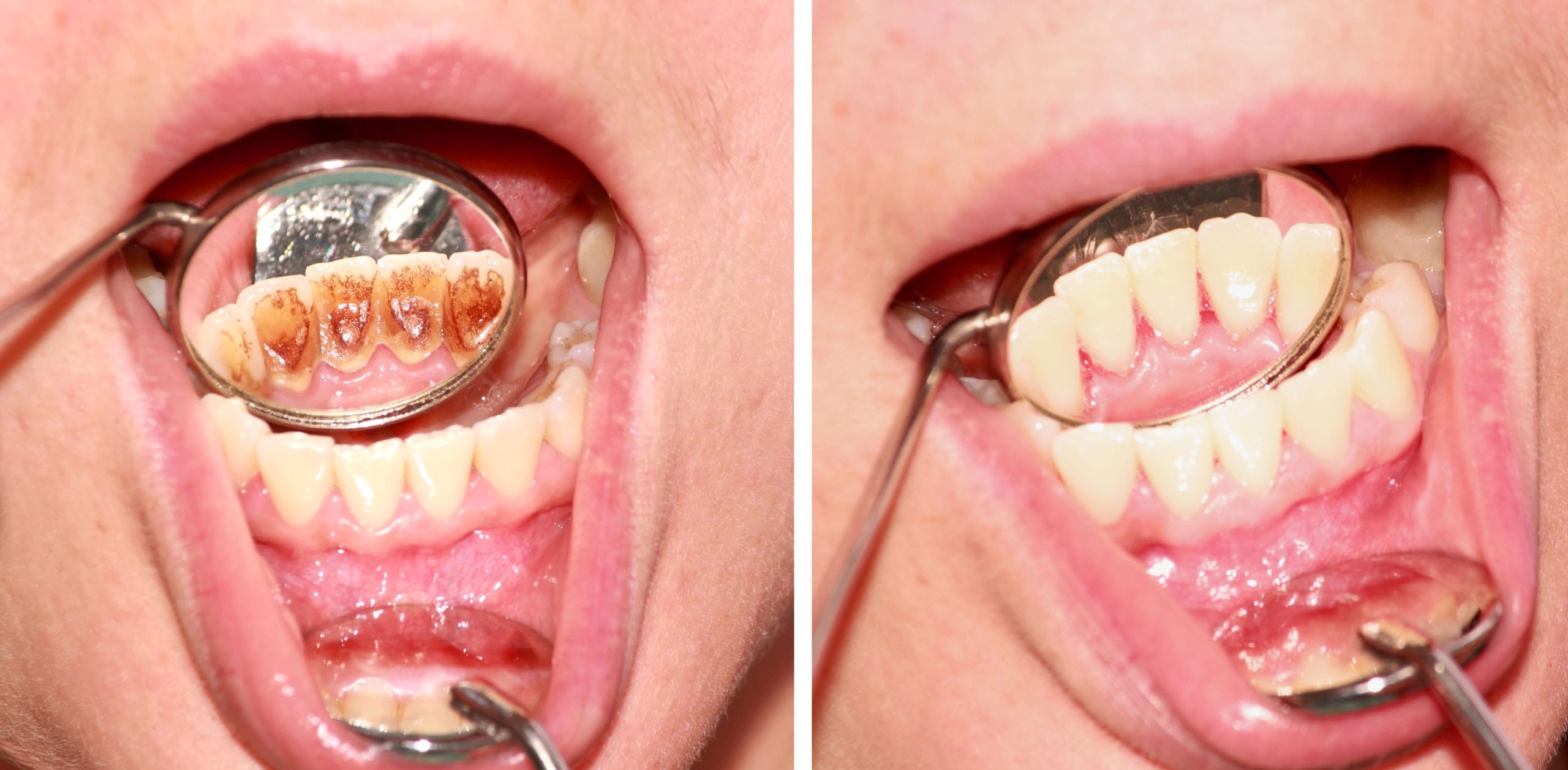
    Understanding tartar buildup is essential when considering the differences seen in tartar before and after dental cleaning. Tartar, also known as dental calculus, forms when plaque on the teeth hardens over time. This hardened substance can only be removed through professional dental cleaning. The presence of tartar can lead to various oral health issues, including gum disease and tooth decay, making it crucial to address during regular dental visits.

    Tartar buildup occurs when minerals in saliva combine with plaque, creating a rough surface on the teeth that attracts more plaque. This cycle can lead to significant oral health challenges if not managed properly. The transformation from having visible tartar deposits to a cleaner state after a professional cleaning showcases the effectiveness of such procedures.

    For more information on what to expect during these visits, explore our Dental Exam and Cleaning Overview. Understanding the nature of tartar underscores the importance of regular dental care.

    Effects of Tartar on Teeth

    Tartar, also known as dental calculus, is a hardened form of plaque that adheres to teeth and can significantly impact oral health. When tartar accumulates, it creates a rough surface on teeth, making it easier for more plaque to build up. This buildup can lead to gum inflammation, periodontal disease, and tooth discoloration, giving teeth a yellow or brown appearance, often noticeable in tartar before and after dental cleaning comparisons.

    Additionally, tartar buildup can contribute to bad breath and create an environment where bacteria thrive, potentially leading to cavities and tooth decay. Due to its hardened nature, tartar is difficult to remove with regular brushing and flossing, making professional cleaning essential. Observing differences in tartar before and after dental cleaning highlights the importance of regular check-ups.

    For optimal oral health, consider visiting the Top Dental Cleaning in Norwood for professional care.

    Signs You Need a Cleaning

    If you’re noticing a persistent bad taste, swollen or bleeding gums, or visible buildup on your teeth, these could be signs you need a cleaning. Tartar, a hardened form of plaque, accumulates over time and can lead to more serious dental issues if not addressed.

    Observing tartar before and after dental cleaning underscores the importance of regular visits. Professional cleanings are essential for maintaining oral health and preventing complications. Regular check-ups help identify these signs early, ensuring your teeth and gums remain healthy.

    The Dental Cleaning Process

    The dental cleaning process is crucial in maintaining oral health, especially considering the dramatic transformation of tartar before and after dental cleaning. During a professional cleaning, a dental hygienist meticulously removes plaque and tartar buildup, significantly improving oral hygiene and your smile’s appearance.

    This process not only prevents gum disease but also enhances the overall health of your teeth and gums. The visible difference in tartar before and after cleaning showcases the importance of regular visits. For more on oral health maintenance, visit Norwood Dentist at Norwood Dental Cosmetics.

    Visual Changes Post-Cleaning

    Experiencing the transformation of tartar before and after dental cleaning can be remarkable. Before a cleaning, teeth may appear dull, discolored, and covered with a rough, yellowish layer of tartar. This buildup affects both aesthetics and can contribute to bad breath and gum irritation.

    However, after a thorough dental cleaning, the visual changes are often striking. Teeth typically look brighter and smoother, as the removal of tartar reveals the enamel’s natural shine. The gums may also appear healthier and less inflamed, contributing to a fresher, more vibrant appearance.

    These visual changes highlight the importance of regular visits in maintaining oral health and enhancing the beauty of your smile.

    Health Benefits of Clean Teeth

    Maintaining clean teeth is essential for overall health, and the transformation seen in tartar before and after cleaning underscores this. Clean teeth contribute to fresher breath as tartar and plaque removal reduces odor-causing bacteria.

    Additionally, clean teeth help prevent gum disease, which is linked to more serious health issues like heart disease and diabetes. Removing tartar before and after cleaning also preserves enamel, reducing cavity and decay risk.

    The health benefits of clean teeth extend beyond oral hygiene, playing a crucial role in maintaining a healthy body.

    Tartar’s Impact on Oral Health

    Tartar, a hardened form of plaque, can significantly impact oral health if not addressed. It forms when plaque calcifies on the teeth, leading to potential issues like gum disease and tooth decay. The presence of tartar creates a rough surface, allowing more plaque to accumulate and worsen oral health problems.

    Observing differences in tartar before and after dental cleaning highlights the importance of maintaining oral hygiene, as professional cleaning effectively removes tartar buildup, reducing the risk of associated complications.

    Frequency of Dental Cleanings

    Understanding the frequency of dental cleanings is essential when considering tartar’s impact. Regular cleanings play a crucial role in oral health by removing plaque and tartar that accumulate over time.

    The transformation of tartar before and after cleaning is often significant, as professional cleanings help restore the natural appearance and health of teeth. While specific cleaning frequency varies by individual, maintaining a consistent schedule prevents tartar from hardening and causing further issues.

    Maintaining Oral Hygiene Basics

    The transformation of tartar before and after cleaning underscores the importance of maintaining oral hygiene basics. Regular brushing and flossing are essential to prevent plaque buildup, which can harden into tartar if not managed properly.

    This hardened tartar requires professional cleaning, underscoring the importance of consistent oral care practices. Focusing on foundational habits helps individuals manage their oral health and witness the noticeable difference in tartar before and after cleaning, contributing to a healthier smile.

    Conclusion

    Seeing the difference in tartar before and after dental cleaning highlights the importance of regular dental visits. For more information, call 781-222-0327 or check out our Google Maps reviews.

    admin

    November 6, 2024
  • Dental Exam and Cleaning Overview

    Dental Exam and Cleaning Overview

    Dental Exam and Cleaning

    Understanding tartar buildup is essential for maintaining oral health. During a Dental Exam and Cleaning, dental professionals assess the presence of tartar, a hardened form of plaque that can accumulate on teeth over time. Tartar buildup can lead to various oral health issues, including gum disease and tooth decay, if not addressed. Since tartar cannot be removed by regular brushing and flossing alone, removing it is crucial for maintaining healthy teeth and gums.

    During a Dental Exam and Cleaning, the focus is on identifying and addressing tartar buildup to prevent complications. The examination allows dental professionals to evaluate tartar accumulation and determine the appropriate cleaning methods. For a detailed understanding of how tartar is effectively removed, explore the Teeth Cleaning Process Step-by-Step, which outlines essential procedures for optimal oral hygiene.

    Signs You Need a Cleaning

    Regular dental exams and cleanings are vital for maintaining oral health, but it’s easy to overlook the signs that indicate a need for cleaning. One of the most common indicators is persistent bad breath, often caused by plaque buildup and bacteria in the mouth.

    If you notice your gums are red, swollen, or bleed easily when brushing or flossing, it’s likely time to consider a dental exam and cleaning, as these symptoms can be early signs of gum disease. Another sign is the presence of tartar, which feels like rough spots on your teeth or causes discoloration that doesn’t go away with brushing. For those in the Norwood area, consider exploring options for a Dental Cleaning Near Norwood to ensure top oral health.

    Professional Cleaning Process

    In a Dental Exam and Cleaning, the professional cleaning process is a key component that ensures optimal oral health. This process typically involves removing plaque and tartar buildup from the teeth, which, if left untreated, can contribute to cavities and gum disease.

    A dental hygienist or dentist uses specialized tools to meticulously clean each tooth, focusing on areas that are hard to reach with regular brushing and flossing. This cleaning helps maintain a bright, healthy smile and is essential for preventing future dental issues, making it a critical part of any comprehensive Dental Exam and Cleaning.

    Benefits of Removing Tartar

    Removing tartar during a dental exam and cleaning is crucial for maintaining optimal oral health. Tartar, a hardened form of plaque, can lead to gum disease and tooth decay if left untreated. Eliminating tartar buildup reduces these risks, promoting healthier gums and teeth.

    Additionally, removing tartar can help prevent bad breath and improve the appearance of your smile. Regular dental exams and cleanings are essential in keeping tartar at bay and maintaining a healthy mouth. For more information on oral health, visit Norwood Dental Cosmetics at Norwood Dentist.

    Before and After Photos

    Before and after photos can provide a compelling visual of the transformative effects of regular dental exams and cleanings. These images often highlight improvements in oral health, showcasing the removal of plaque and tartar, the brightening of teeth, and the overall enhancement of a smile.

    Comparing the condition of teeth and gums before and after a professional cleaning effectively illustrates the benefits of consistent dental care, serving as a powerful reminder of the positive impact that routine visits have on oral hygiene and appearance.

    Impact on Oral Health

    Regular dental exams and cleanings are essential for optimal oral health. These routine visits help detect potential issues like cavities, gum disease, and oral cancer early, allowing for treatment before they become more serious.

    By removing plaque and tartar buildup, dental exams and cleanings contribute to healthier teeth and gums, reducing the risk of tooth decay and periodontal disease. Additionally, these appointments provide an opportunity for professional guidance on maintaining oral hygiene, supporting overall health and well-being.

    Preventing Future Tartar Accumulation

    A dental exam and cleaning play a crucial role in preventing future tartar accumulation, a key component of oral health. Tartar, a hardened form of plaque, can lead to dental issues if not managed.

    Regular exams and cleanings identify and address tartar buildup before it becomes problematic. During these appointments, dental professionals assess the condition of teeth and gums, ensuring any tartar is promptly addressed. This proactive approach helps maintain a healthy smile and prevents potential complications related to tartar buildup.

    Cost of Dental Cleanings

    Understanding the cost of dental cleanings is an essential part of maintaining oral health. The price of a dental exam and cleaning varies based on factors like geographic location, the dentist’s experience, and the specific services provided.

    Typically, a standard cleaning involves removing plaque and tartar, polishing teeth, and conducting an examination to identify potential issues. While insurance may cover part of these costs, it’s essential to be aware of any out-of-pocket expenses associated with a dental exam and cleaning, as regular cleanings are a key component of preventive care.

    Choosing the Right Dentist

    Selecting the right dentist is a crucial step in ensuring a positive experience during your dental exam and cleaning. A good dentist provides a comfortable environment and addresses any concerns you may have about your oral health.

    When considering a dental exam and cleaning, finding a skilled and knowledgeable dental professional can greatly impact the quality of care. Building a trusting relationship with your dentist leads to better communication and a more personalized approach to maintaining dental health.

    Conclusion

    Regular dental exams and cleanings are essential for maintaining oral health. Call 781-222-0327 to schedule your visit today, and read our client reviews on Google Maps.

    admin

    November 6, 2024
  • Teeth Cleaning Process Step-by-Step

    Teeth Cleaning Process Step-by-Step

    Teeth Cleaning Process

    Understanding tartar buildup is a crucial aspect of the Teeth Cleaning Process. Tartar, also known as dental calculus, forms when plaque on the teeth hardens over time. This buildup can occur both above and below the gum line, leading to potential oral health issues if not addressed. Tartar provides a surface for more plaque to adhere to, complicating oral hygiene. During a professional cleaning, dental hygienists focus on removing this hardened substance to help maintain oral health.

    The Teeth Cleaning Process involves several steps to ensure tartar is effectively removed. Dental professionals use specialized tools to carefully scrape away tartar from teeth surfaces, a process that cannot be done with regular brushing and flossing alone. For more detailed information on what happens during a cleaning, explore Dentist Cleaning: What to Expect. Understanding the importance of removing tartar highlights the thoroughness of the Teeth Cleaning Process in promoting dental health.

    Signs You Need a Cleaning

    Regular dental check-ups are essential, but sometimes your mouth may signal that it’s time for a professional cleaning. One common sign is persistent bad breath, which often indicates a buildup of plaque and bacteria. Additionally, if your gums are red, swollen, or bleed easily when brushing or flossing, it may be a sign that cleaning is necessary to prevent further issues.

    Another indicator that you may need the Teeth Cleaning Process is the presence of tartar. Tartar is hardened plaque that can only be removed by a dental professional. If left untreated, it can lead to more serious dental problems. For those experiencing these signs, consider exploring Norwood Dental Cleaning Solutions to help maintain oral health.

    Professional Cleaning Process

    The professional teeth cleaning process is essential for maintaining oral health and involves several meticulous steps to ensure optimal cleanliness. Typically, a dental hygienist begins by examining the mouth for any signs of oral issues.

    This is followed by the removal of plaque and tartar using specialized tools, which is critical for preventing gum disease and cavities. Next, the teeth are polished to remove surface stains and smooth the enamel, reducing future plaque accumulation. The process usually concludes with thorough flossing to eliminate any remaining debris, leaving the mouth feeling fresh and clean.

    Benefits of Removing Tartar

    Removing tartar is a crucial step in the teeth cleaning process and plays a significant role in maintaining oral health. Tartar, or dental calculus, is a hardened form of plaque that can accumulate on teeth and along the gumline. Removing it helps prevent gum disease, tooth decay, and bad breath, contributing to a healthier smile.

    Eliminating tartar reduces the risk of inflammation and infection in the gums, which could lead to more severe dental issues if untreated. Regular tartar removal enhances teeth appearance and supports overall oral hygiene, keeping teeth and gums in optimal condition. For more on maintaining oral health, visit Norwood Dental Cosmetics at Norwood Dentist.

    Before and After Photos

    The transformation during the teeth cleaning process is often best appreciated through before and after photos. These images visually showcase the effectiveness of the cleaning, highlighting the removal of plaque and tartar buildup over time.

    Comparing the condition of teeth before and after a professional cleaning reveals enhanced brightness and improved gum and enamel health. These photos serve as a testament to the thoroughness of the teeth cleaning process, emphasizing its role in maintaining oral hygiene and contributing to a healthier, more confident smile.

    Impact on Oral Health

    The Teeth Cleaning Process plays a crucial role in maintaining oral health by effectively removing plaque and tartar buildup, which can lead to cavities and gum disease. Regular professional cleanings help prevent oral health issues, ensuring teeth and gums remain strong and healthy.

    By thoroughly cleaning the teeth, the process reduces the risk of tooth decay and periodontal problems, supporting overall oral hygiene. The Teeth Cleaning Process not only enhances the appearance of your smile but also promotes long-term dental health by minimizing serious dental conditions.

    Preventing Future Tartar Accumulation

    In the Teeth Cleaning Process, understanding how to prevent future tartar accumulation is essential for oral health. Tartar, a hardened form of plaque, can lead to various dental issues if not managed effectively.

    Teeth cleaning involves removing existing tartar and plaque, reducing the risk of gum disease and decay. Focusing on tartar prevention helps individuals keep their teeth healthy and clean over time. Regular check-ups and cleanings are key to this process, as they aid in monitoring and maintaining oral hygiene.

    Cost of Dental Cleanings

    Understanding the cost of dental cleanings is an essential part of the teeth cleaning process. Prices vary based on factors such as location, the dental office’s pricing, and whether additional procedures are needed during the visit.

    Generally, a standard dental cleaning ranges from $75 to $200, though this can increase with more extensive cleaning. Many dental insurance plans cover part of these costs, making regular cleanings more affordable. By being aware of potential costs, individuals can better plan their dental care and maintain oral health effectively.

    Choosing the Right Dentist

    Choosing the right dentist is vital to ensuring a smooth and effective teeth cleaning process. A qualified dental professional provides a comprehensive exam and thorough cleaning, essential for maintaining oral health.

    The teeth cleaning process involves removing plaque and tartar, polishing teeth, and sometimes applying fluoride treatment. Selecting a knowledgeable and experienced dentist helps patients feel confident in their dental care, making the teeth cleaning process more comfortable and effective.

    Conclusion

    Understanding the Teeth Cleaning Process is essential for maintaining oral health. For any questions or to schedule a cleaning, call 781-222-0327 or check out our Google Maps reviews.

    admin

    November 6, 2024

Norwood Dental Cosmetics

Proudly making smiles brighter in the Norwood area.

Book An Appointment

Contact

115 Norwood Park South #204, Norwood, MA 02062

(781) 222-0327

Services

  • Cosmetic Dentistry

  • Dental Implants

  • Emergency Dentistry

  • General Dentistry

  • Invisalign

  • Restorative Dentistry

Hours

Monday: 9 AM–6 PM
Tuesday: Closed
Wednesday: 8 AM–5 PM
Thursday: Closed
Friday: 8 AM–5 PM
Saturday: Closed
Sunday: Closed

© 2026 Norwood Dental Cosmetics. Privacy Policy
Dental Website Marketing by Rosemont Media