What does a simple tooth extraction guide entail? A simple tooth extraction guide provides a clear, step-by-step overview of the process, helping to demystify what happens during a routine dental procedure. Understanding this guide can ease concerns by outlining each stage from preparation to recovery.
Simple Tooth Extraction Guide
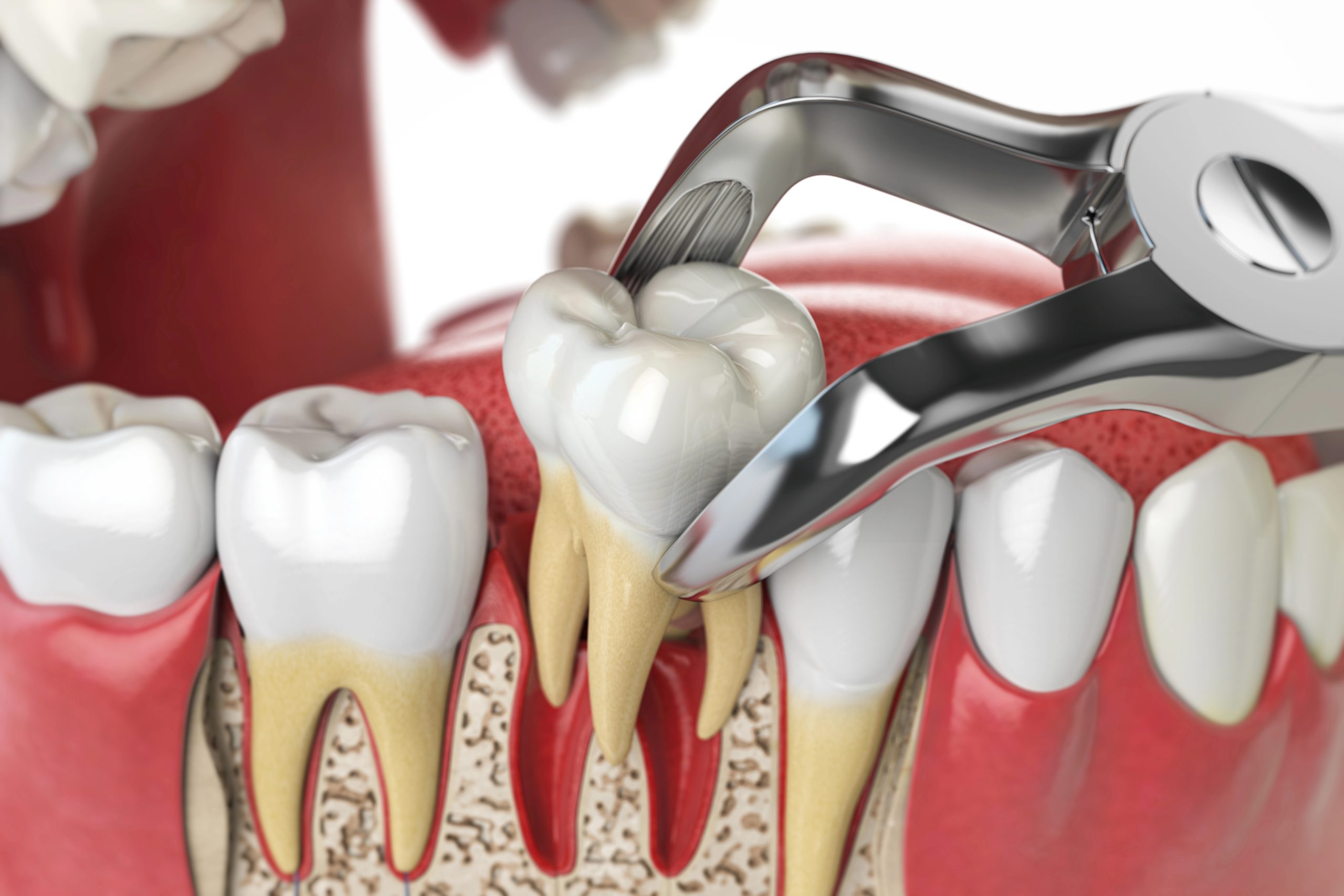
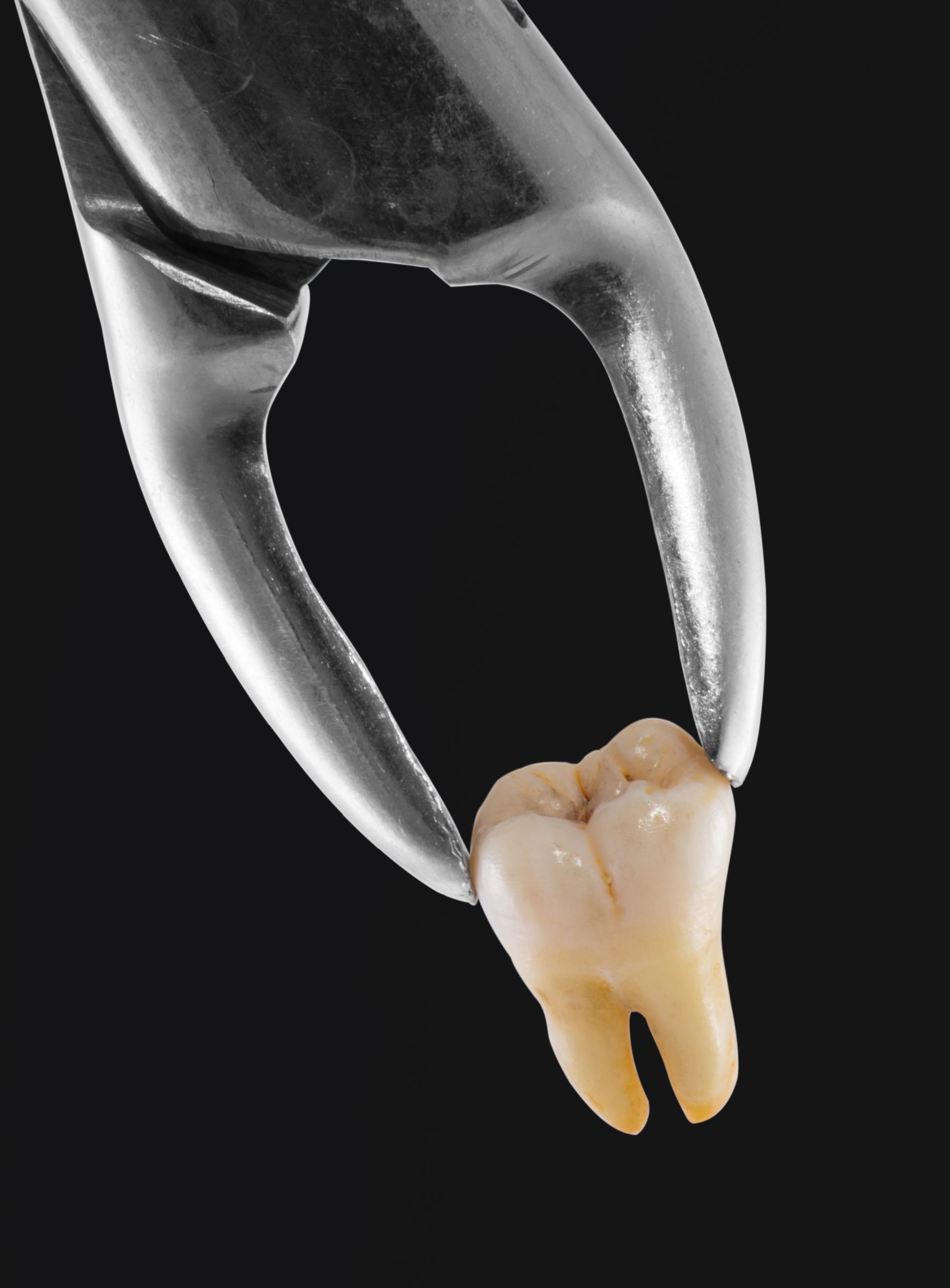
Understanding the process of tooth extraction is essential for anyone facing this common dental procedure. In this simple tooth extraction guide, we will explore the basics of what to expect during a tooth extraction. Typically, a dentist or oral surgeon performs the procedure, which involves removing a tooth from its socket in the bone. This is often necessary when a tooth is damaged beyond repair or causing other dental issues. The process begins with a thorough examination and may include X-rays to assess the condition of the tooth and surrounding bone.
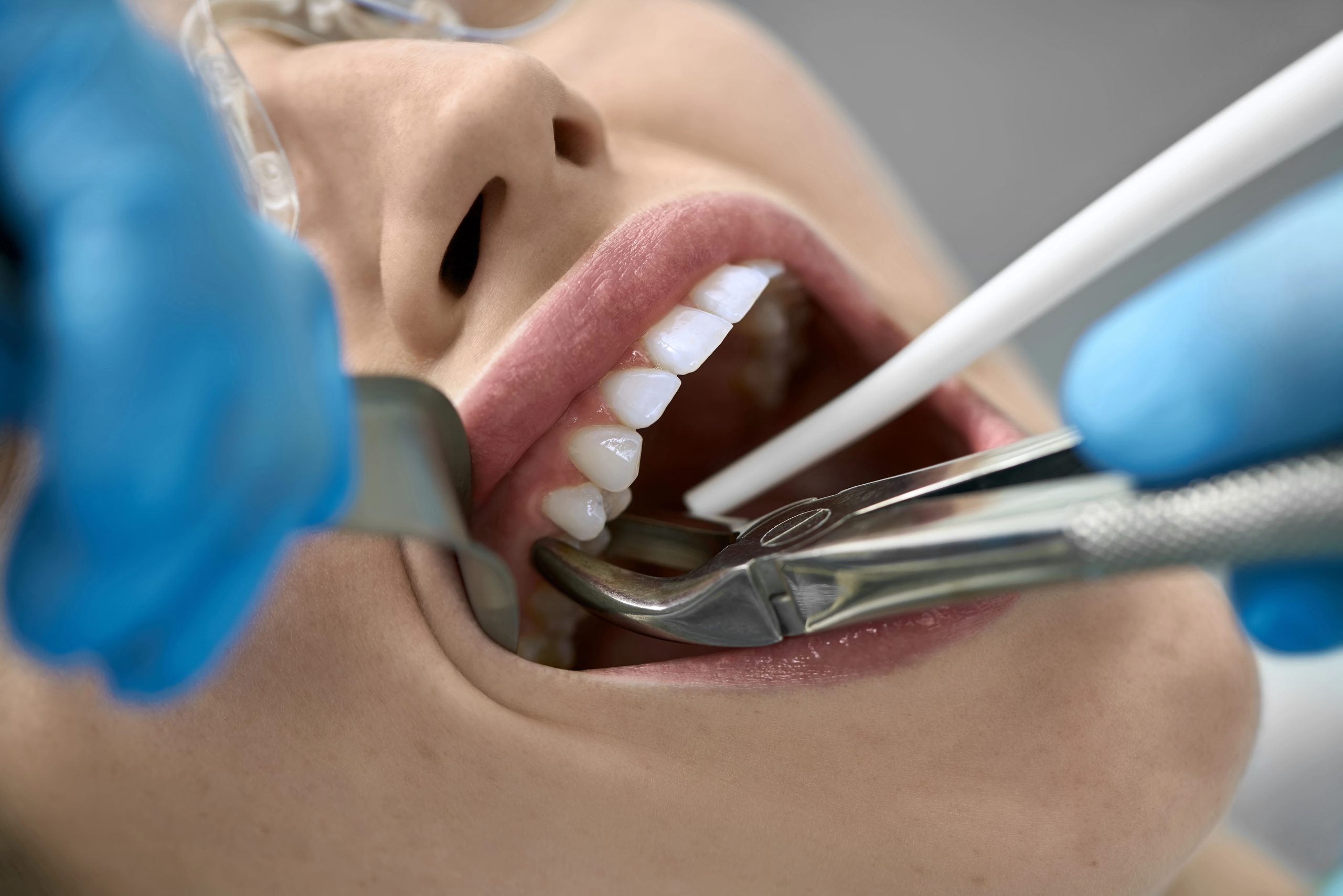
The actual extraction can be straightforward or more complex, depending on the tooth’s position and condition. Local anesthesia is usually administered to numb the area, ensuring minimal discomfort during the procedure. After the tooth is removed, the dentist may place gauze over the extraction site to control bleeding and promote clotting. For those interested in learning more about specific types of extractions, such as wisdom teeth, you can explore further details in our article on Wisdom Tooth Extraction Facts: Understanding the Procedure.
Reasons for Tooth Extraction
Tooth extraction is a common dental procedure that may be necessary for various reasons. One of the primary reasons is severe tooth decay that has damaged the tooth beyond repair. When a tooth is extensively decayed, it can lead to infection and pain, making extraction the best option to prevent further complications. Additionally, overcrowding in the mouth can necessitate the removal of a tooth to make space for proper alignment, especially in preparation for orthodontic treatments.
Another reason for tooth extraction is the presence of impacted teeth, which are teeth that have not fully erupted through the gums. Impacted teeth can cause pain, swelling, and even damage to adjacent teeth. In some cases, teeth may also need to be removed due to trauma or injury that has compromised their structure. For those seeking professional assistance with tooth extractions, consider exploring Norwood Tooth Extraction Services for more information.
Preparing for Tooth Extraction
In the simple tooth extraction guide, understanding how to prepare for the procedure is crucial for a smooth experience. Before the extraction, it’s important to ensure that your dental history is up-to-date and that any necessary medical information is communicated to your dental professional. This preparation helps in assessing any potential risks and ensures that the process is as efficient as possible. Being well-prepared can contribute to a more comfortable and stress-free extraction day.
The Tooth Extraction Procedure
In this simple tooth extraction guide, understanding the tooth extraction procedure is crucial for anyone preparing for this common dental process. The procedure typically begins with a thorough examination by a dentist, followed by the administration of local anesthesia to numb the area around the tooth. Once the area is numb, the dentist uses specialized tools to gently loosen and remove the tooth from its socket. After the extraction, gauze is placed over the site to control bleeding and promote clotting. For those seeking more information on dental procedures, Norwood Dental Cosmetics offers insights and expertise, and you can learn more by visiting their Norwood Dentist page.
Post-Extraction Care Essentials
After undergoing a simple tooth extraction, it’s important to focus on post-extraction care essentials to ensure a smooth recovery. This involves understanding the basic steps to manage discomfort and promote healing. Following the procedure, patients should be aware of the normal healing process and any signs that may require attention. The simple tooth extraction guide provides a general overview of what to expect during recovery, including common experiences such as swelling and mild discomfort. Being informed about these essentials can help in recognizing the natural progression of healing after a tooth extraction.
Managing Discomfort After Extraction
After undergoing a simple tooth extraction, it’s common to experience some level of discomfort as part of the healing process. This discomfort can vary in intensity and duration, but it is generally manageable and temporary. The body’s natural response to the procedure involves inflammation and healing, which may result in sensations of soreness or tenderness in the affected area. Understanding that these feelings are a normal part of recovery can help set realistic expectations for those following a simple tooth extraction guide.
Healing Process Timeline
In the simple tooth extraction guide, understanding the healing process timeline is crucial for setting expectations. Typically, the initial recovery phase lasts about one to two weeks, during which the body works to close the extraction site and reduce swelling. Within the first 24 hours, a blood clot forms to protect the area, and over the next few days, any discomfort or swelling should gradually decrease. By the end of the first week, most people find that their symptoms have significantly improved, although complete healing of the gum tissue may take a few more weeks. It’s important to follow any care instructions provided by your dental professional to ensure a smooth recovery.
Potential Complications to Watch
In the simple tooth extraction guide, it’s important to be aware of potential complications that may arise during or after the procedure. Common issues include excessive bleeding, infection at the extraction site, and dry socket, which occurs when the blood clot is dislodged. Swelling and bruising are also possible, as well as nerve damage in rare cases. Monitoring for these complications can help ensure a smoother recovery process.
When to Contact a Professional
In the context of a simple tooth extraction guide, knowing when to contact a professional is crucial for ensuring proper dental care. If you experience excessive bleeding, severe pain, or signs of infection such as swelling or fever after an extraction, it is important to seek professional assistance. Additionally, if the tooth extraction site does not seem to be healing properly or if you notice any unusual symptoms, reaching out to a dental professional can help address any complications that may arise.
Conclusion
For more information on our simple tooth extraction guide, call us at 781-650-4649 or check out our Google Maps reviews.