How can restorative dentistry for bite correction improve your dental function? Restorative dentistry for bite correction focuses on aligning teeth to enhance overall oral function and comfort. By addressing misalignments, it can lead to improved chewing efficiency and reduced strain on the jaw.
Restorative Dentistry for Bite Correction
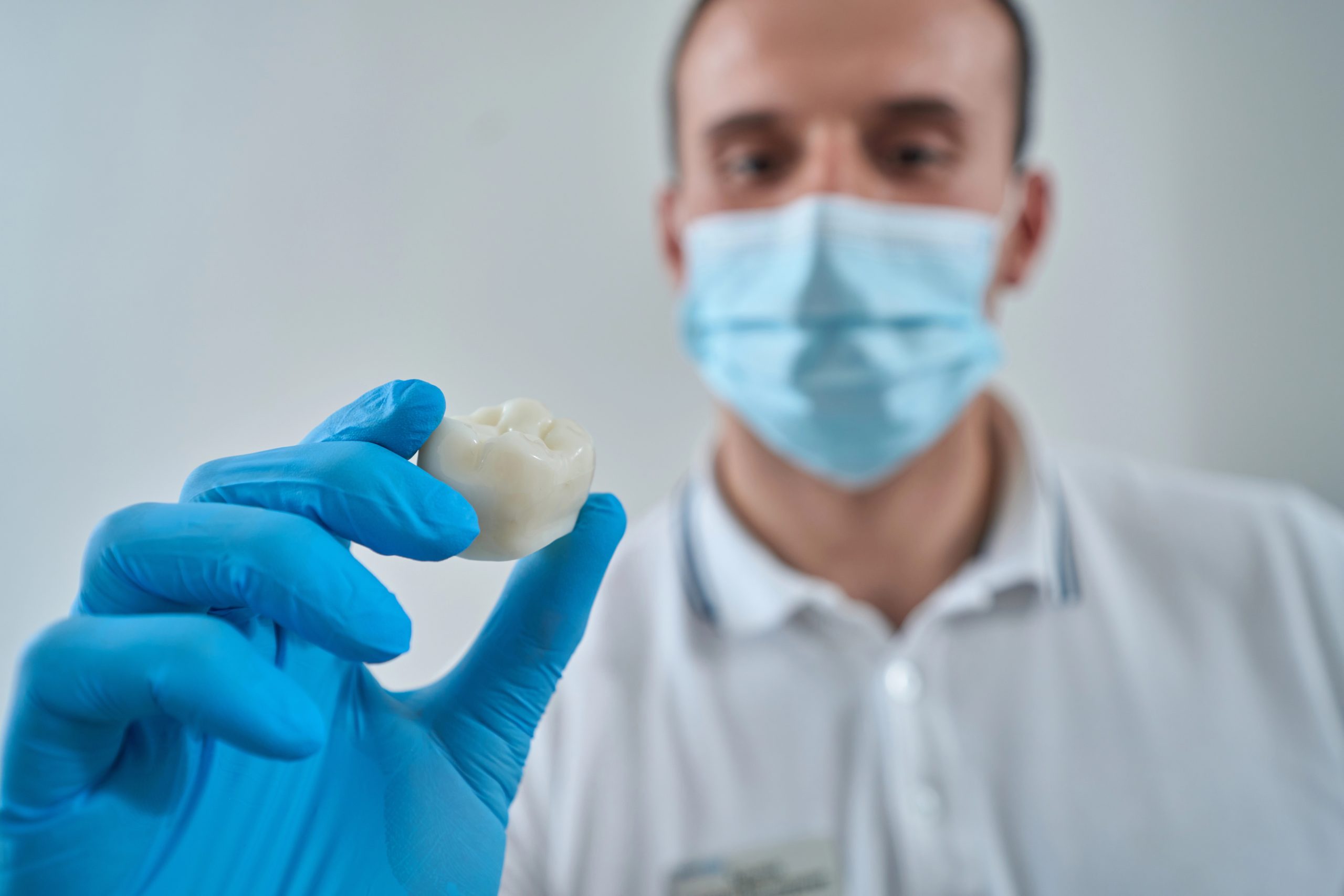
Restorative dentistry for bite correction often involves the use of tooth-colored restorations to enhance both the function and appearance of your teeth. These restorations are designed to blend seamlessly with your natural teeth, providing a discreet solution for correcting bite issues. Common types include composite fillings, porcelain veneers, and ceramic crowns, each offering unique benefits in terms of durability and aesthetics. By addressing bite problems with these restorations, individuals can achieve improved oral function and a more harmonious smile.
For those seeking comprehensive solutions, exploring options like Full Mouth Restorative Dentistry: Complete Solutions for Complex Needs can provide a broader understanding of how various restorative techniques can work together to address complex dental issues. This approach ensures that all aspects of dental health are considered, leading to a more balanced and functional bite.
Benefits of Tooth-Colored Fillings
Tooth-colored fillings offer a seamless blend with your natural teeth, making them an ideal choice for those seeking restorative dentistry for bite correction. These fillings are crafted to match the shade of your existing teeth, ensuring that your smile remains aesthetically pleasing while maintaining its functionality. Unlike traditional metal fillings, tooth-colored options provide a more natural appearance, which can be particularly beneficial for those concerned about the visual impact of dental work.
In addition to their aesthetic advantages, tooth-colored fillings are known for their durability and strength. They bond directly to the tooth structure, which can help in preserving the integrity of the tooth and supporting overall oral health. This bonding process can also contribute to a more stable bite, enhancing the effectiveness of restorative dentistry for bite correction. For more information on how these solutions can improve your dental health, visit our page on Top Restorative Dentistry Norwood.
Materials Used in Restorations
In the realm of restorative dentistry for bite correction, a variety of materials are employed to ensure optimal function and aesthetics. Commonly used materials include dental composites, ceramics, and metals, each chosen for their unique properties that contribute to the durability and effectiveness of the restoration. These materials are selected based on their ability to mimic the natural appearance of teeth while providing the necessary strength to withstand the forces of biting and chewing. The choice of material plays a crucial role in achieving successful outcomes in restorative dentistry for bite correction, ensuring that patients can enjoy improved oral function and a harmonious bite.
Procedure for Tooth-Colored Restorations
Tooth-colored restorations are a key component of restorative dentistry for bite correction, offering a seamless blend with your natural teeth while enhancing functionality. This procedure involves the careful application of composite materials that mimic the appearance of natural enamel, ensuring that the restoration is both durable and aesthetically pleasing. By aligning your teeth with these restorations, you can achieve a more balanced bite, which contributes to overall oral health and comfort. For those interested in exploring restorative dentistry for bite correction, Norwood Dental Cosmetics provides further insights and options through their Norwood Dentist services.
Comparing with Traditional Amalgam Fillings
Restorative dentistry for bite correction often involves modern materials that differ significantly from traditional amalgam fillings. While amalgam fillings have been used for decades due to their durability and cost-effectiveness, they are typically silver in color and can be more noticeable in the mouth. In contrast, newer restorative options aim to blend seamlessly with the natural color of teeth, providing a more aesthetically pleasing result. These contemporary materials are designed to enhance the overall function and appearance of the teeth, contributing to improved bite alignment and oral health. As dental technology advances, the focus shifts towards solutions that not only restore function but also maintain a natural look, offering patients a more integrated approach to dental restoration.
Longevity and Durability Factors
When considering restorative dentistry for bite correction, understanding the longevity and durability factors is crucial. The materials and techniques used in restorative dentistry are designed to withstand the daily pressures of chewing and speaking, ensuring that bite corrections remain effective over time. The durability of these restorations contributes to their long-term success, providing patients with a stable and functional bite that enhances overall oral health. By focusing on quality and resilience, restorative dentistry for bite correction aims to deliver lasting results that support both the function and aesthetics of your smile.
Cost Considerations and Insurance Coverage
When exploring restorative dentistry for bite correction, understanding the financial aspects is crucial. Costs can vary widely depending on the complexity of the treatment and the specific procedures involved. It’s important to consider how these expenses fit into your budget and to explore potential insurance coverage options. Many dental insurance plans may cover a portion of the costs associated with restorative dentistry for bite correction, but coverage can differ significantly between providers. Always check with your insurance company to understand what is included in your plan and any out-of-pocket expenses you might incur.
Maintenance and Care Tips
Proper maintenance and care are essential for ensuring the long-term success of restorative dentistry for bite correction. Regular dental check-ups and cleanings play a crucial role in maintaining the health and function of your corrected bite. It’s important to follow any specific care instructions provided by your dental professional to preserve the results of your treatment. By prioritizing oral hygiene and being mindful of your dental health, you can help sustain the benefits of restorative dentistry for bite correction, promoting better function and overall oral well-being.
Innovations in Restoration Technology
Restorative dentistry for bite correction has seen significant advancements with the integration of cutting-edge technologies. These innovations have enhanced the precision and effectiveness of treatments, allowing for more accurate alignment of teeth and improved overall function. The use of digital imaging and 3D modeling has revolutionized the way dental professionals approach bite correction, providing detailed insights into each patient’s unique dental structure. This technological progress ensures that restorative dentistry for bite correction continues to evolve, offering patients improved outcomes and a more comfortable experience.
Conclusion
Discover the benefits of restorative dentistry for bite correction and enhance your dental function; call us today at 781-650-4649 or read our reviews on Google Maps.