
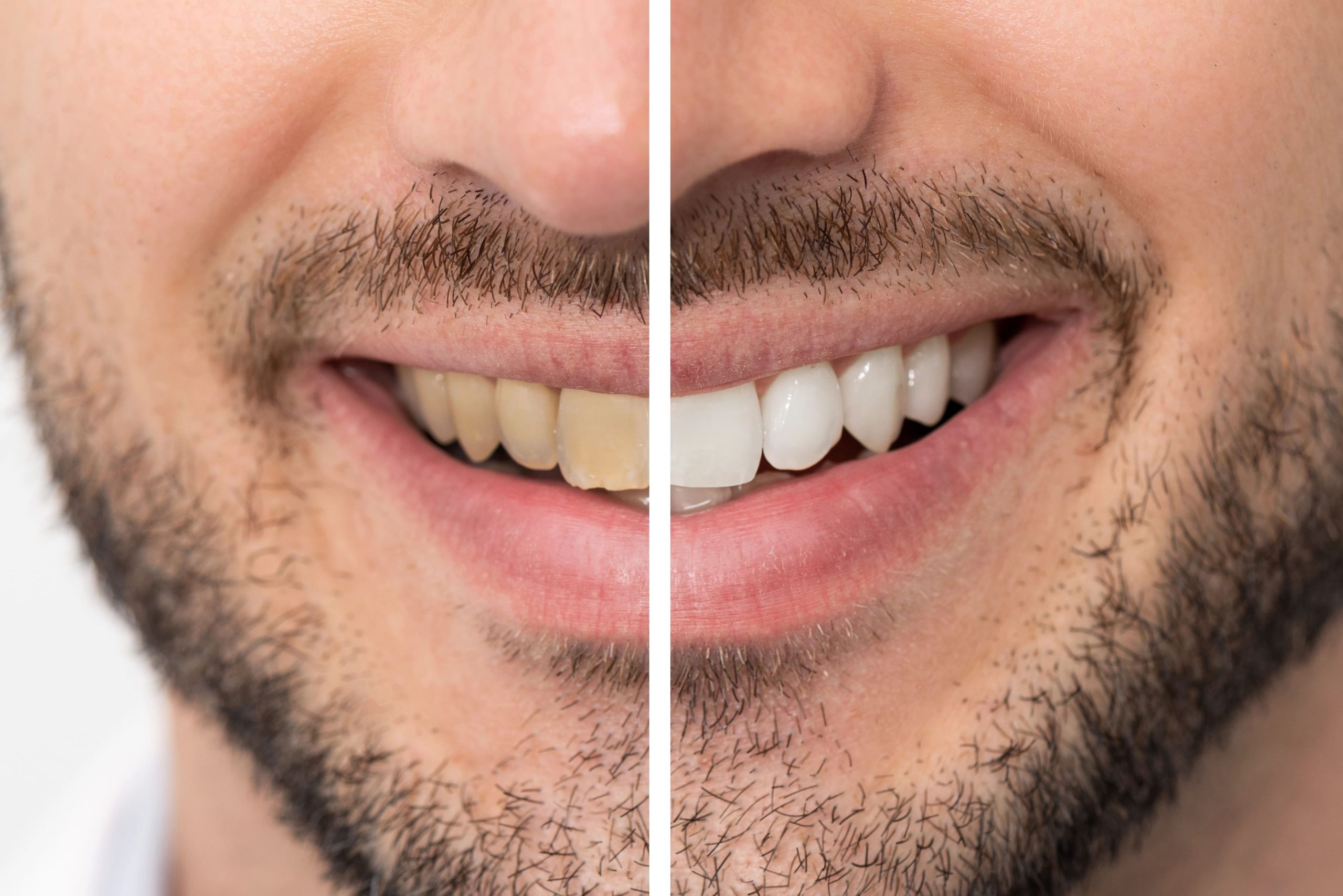
Are you searching for effective teeth whitening for sensitive teeth without causing discomfort? Discovering gentle methods that work can help maintain a bright smile while minimizing sensitivity, ensuring a comfortable and radiant result.
Teeth Whitening for Sensitive Teeth: Understanding Tooth Sensitivity
Tooth sensitivity is a common issue that can affect anyone, making the pursuit of teeth whitening for sensitive teeth a bit more challenging. This sensitivity often arises when the protective enamel on the teeth becomes worn down, exposing the underlying dentin and nerve endings. Factors such as acidic foods, aggressive brushing, or even natural wear and tear can contribute to this condition. When the dentin is exposed, it can lead to discomfort or pain when consuming hot, cold, sweet, or acidic substances. Understanding the root causes of tooth sensitivity is crucial for those looking to achieve a brighter smile without exacerbating their discomfort.
For individuals interested in teeth whitening for sensitive teeth, it’s important to consider methods that are gentle and mindful of their unique dental needs. While there are various approaches to achieving a whiter smile, those with sensitive teeth should be particularly cautious about the techniques they choose. Exploring different options and understanding how they interact with sensitive teeth can help in making informed decisions. For more insights into safe and effective whitening methods, you might find the article on DIY Teeth Whitening Solutions: Easy At-Home Methods to Try Today helpful.
Causes of Tooth Discoloration
Tooth discoloration is a common concern that can affect anyone, and understanding its causes is crucial for those seeking teeth whitening for sensitive teeth. Several factors contribute to the change in tooth color, including dietary habits, such as the consumption of coffee, tea, and red wine, which are known to stain teeth over time. Additionally, tobacco use, whether through smoking or chewing, can lead to significant discoloration. Poor dental hygiene practices can also result in plaque buildup, which may cause teeth to appear yellow or dull.
Another factor contributing to tooth discoloration is the natural aging process. As we age, the enamel on our teeth wears down, revealing the yellowish dentin beneath. Certain medications and medical treatments can also lead to changes in tooth color. For those living in or near Norwood, seeking professional advice from Teeth Whitening Experts Near Norwood can provide valuable insights into addressing tooth discoloration effectively.
Professional Whitening Options
When considering teeth whitening for sensitive teeth, professional whitening options can provide a tailored approach that minimizes discomfort while effectively enhancing your smile. Dental professionals are equipped with the expertise to assess the level of sensitivity and recommend appropriate whitening treatments that cater to individual needs. These options often involve the use of advanced technology and specially formulated whitening agents designed to reduce sensitivity. By opting for professional care, individuals with sensitive teeth can achieve noticeable results while ensuring their comfort and safety throughout the process.
Natural Whitening Ingredients
When it comes to teeth whitening for sensitive teeth, many individuals turn to natural whitening ingredients as a gentle alternative. These ingredients are often derived from everyday sources and are known for their mild properties, making them suitable for those with sensitivity concerns. The appeal of natural ingredients lies in their ability to help maintain oral health while potentially enhancing the brightness of your smile. For those interested in exploring more about dental care options, Norwood Dental Cosmetics offers a wealth of information, and you can learn more by visiting their site at Norwood Dentist.
Whitening Toothpaste for Sensitivity
When it comes to teeth whitening for sensitive teeth, using a specially formulated whitening toothpaste can be a gentle and effective option. These toothpastes are designed to cater to individuals with sensitivity issues, providing a way to brighten smiles without causing discomfort. They typically contain ingredients that help reduce sensitivity while gradually removing surface stains, making them a suitable choice for those who experience discomfort with other whitening methods. By incorporating these toothpastes into a regular oral care routine, individuals with sensitive teeth can work towards achieving a whiter smile without compromising their comfort.
Role of Diet in Teeth Whitening
The role of diet in teeth whitening for sensitive teeth is a topic of growing interest among those seeking a brighter smile without discomfort. Certain foods and beverages can contribute to the natural whitening process, while others may lead to staining or sensitivity. A balanced diet that includes crunchy fruits and vegetables, which help in saliva production, can aid in maintaining oral health and potentially enhance the appearance of teeth. Conversely, consuming dark-colored drinks or acidic foods might affect the enamel, impacting both the color and sensitivity of teeth. Understanding the relationship between diet and oral health can be beneficial for those looking to achieve teeth whitening for sensitive teeth naturally.
Importance of Oral Hygiene
Maintaining good oral hygiene is crucial, especially when considering teeth whitening for sensitive teeth. Proper oral care not only helps in preserving the natural whiteness of your teeth but also ensures that your gums and enamel remain healthy and strong. This is particularly important for individuals with sensitive teeth, as they need to be extra cautious about their dental health to prevent further sensitivity or discomfort. By prioritizing oral hygiene, you create a solid foundation that supports any teeth whitening efforts, ensuring that your smile remains bright without compromising the health of your teeth.
Whitening Strips and Sensitivity
When considering teeth whitening for sensitive teeth, it’s important to understand how whitening strips can interact with dental sensitivity. Whitening strips are a popular choice for those looking to brighten their smile, but they can sometimes exacerbate sensitivity issues. This is because the active ingredients in the strips, which are designed to remove stains and whiten teeth, may also affect the enamel and dentin layers, leading to increased sensitivity. For individuals with sensitive teeth, this interaction can result in discomfort during or after the whitening process. Understanding the relationship between whitening strips and tooth sensitivity is crucial for anyone exploring teeth whitening options.
Consulting a Dental Professional
When considering teeth whitening for sensitive teeth, consulting a dental professional is a crucial step in ensuring both safety and effectiveness. Dental professionals possess the expertise to assess the condition of your teeth and gums, providing insights into the most suitable whitening options tailored to your specific needs. Their guidance can help navigate the complexities of teeth whitening for sensitive teeth, ensuring that any chosen method aligns with your dental health requirements. By seeking professional advice, individuals can make informed decisions that prioritize oral health while pursuing a brighter smile.
Conclusion
Achieving a brighter smile doesn’t have to be painful, even for those with sensitive teeth. For more insights on teeth whitening for sensitive teeth, feel free to call us at 781-650-4649 or check out our Google Maps reviews.