
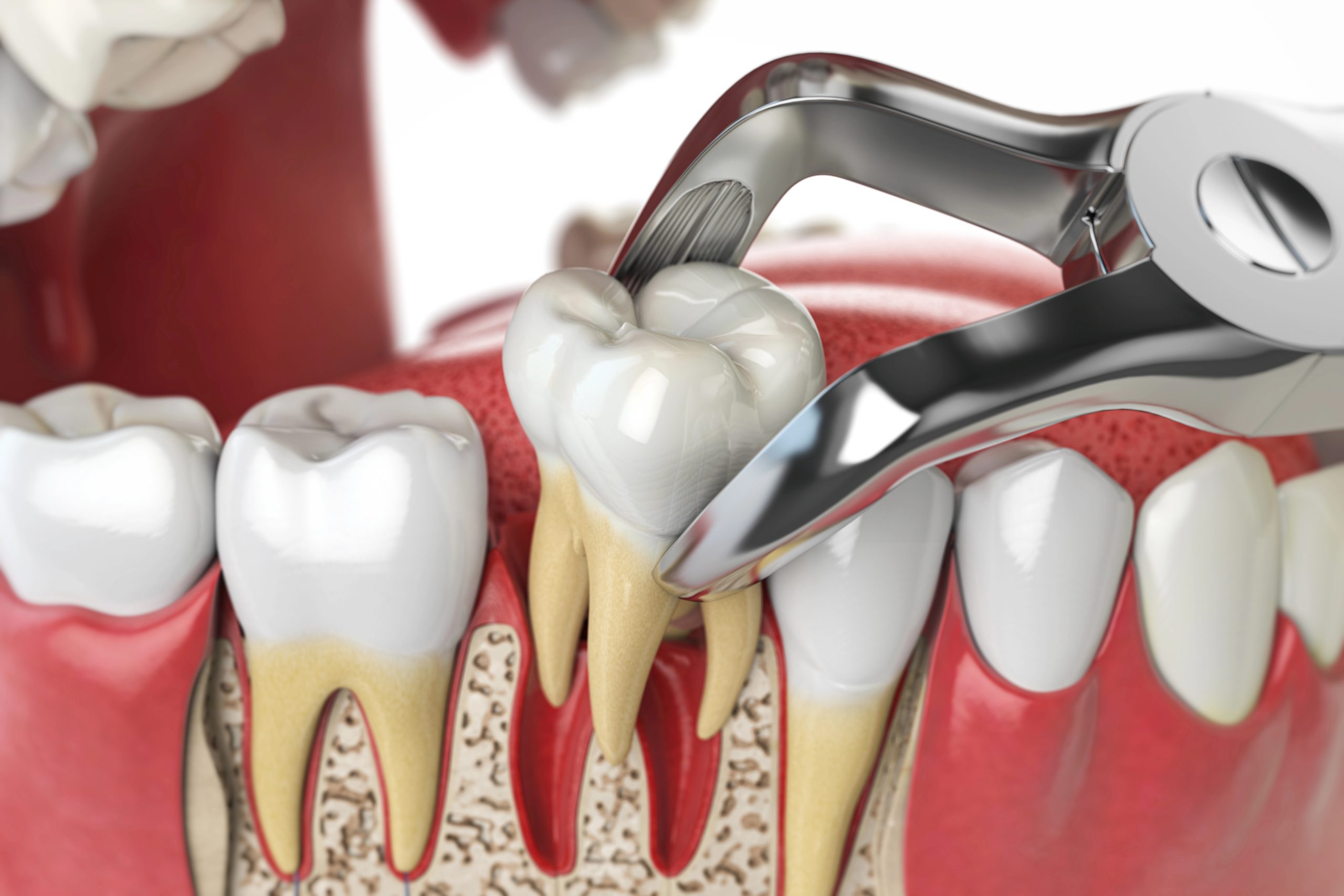
When is tooth extraction necessary, and what signs should you not ignore? Recognizing the need for tooth extraction often involves persistent pain, infection, or overcrowding, which can lead to more severe dental issues if left unaddressed. Understanding these signs can help in maintaining overall oral health.
When Tooth Extraction Is Necessary
Infection and delayed healing are critical factors to consider when tooth extraction is necessary. An untreated infection can lead to severe complications, affecting not only the surrounding teeth but also your overall oral health. If an infection persists, it may cause swelling, pain, and even fever, indicating that the body is struggling to fight off the bacteria. In such cases, removing the affected tooth might be the best course of action to prevent further health issues.
Delayed healing after a dental procedure can also signal when tooth extraction is necessary. If a tooth or surrounding area does not heal properly, it can lead to continuous discomfort and potential complications. This situation might require professional evaluation to determine if extraction is the appropriate solution. For more information on what to expect during this procedure, you can visit our page on the Tooth Extraction Process Explained: What Patients Should Know.
Dry Socket Complications
One of the potential issues that can arise after a tooth extraction is a condition known as dry socket. This occurs when the blood clot that forms in the socket where the tooth was removed becomes dislodged or dissolves before the wound has healed. When tooth extraction is necessary, it’s crucial to be aware of this complication, as it can lead to severe pain and delay the healing process. The exposed bone and nerves can cause discomfort and may require additional care to manage effectively.
Understanding the signs of dry socket is important for anyone who has undergone a tooth extraction. Symptoms typically include intense pain, an unpleasant taste in the mouth, and bad breath. If you suspect you are experiencing dry socket, it is essential to seek professional advice promptly. For more information on managing complications after a tooth extraction, consult the Norwood Tooth Extraction Experts.
Nerve Damage Risks
When tooth extraction is necessary, one potential concern is the risk of nerve damage. This can occur if the nerves surrounding the tooth are affected during the procedure, leading to symptoms such as numbness, tingling, or pain in the lips, tongue, or chin. While nerve damage is relatively rare, it is a serious consideration that underscores the importance of understanding when tooth extraction is necessary and ensuring that it is performed under appropriate conditions.
Bleeding and Swelling Issues
Experiencing persistent bleeding and swelling in your gums can be a significant indicator of when tooth extraction is necessary. These symptoms often suggest underlying issues such as infection or gum disease, which may require professional evaluation to prevent further complications. If you notice these signs, it might be time to consider consulting with a dental professional. For those in the area, Norwood Dental Cosmetics offers expert advice and care, and you can learn more by visiting their Norwood Dentist website.
Sinus Exposure Concerns
When tooth extraction is necessary, one potential concern that may arise is sinus exposure, particularly with upper molars. The roots of these teeth are often in close proximity to the maxillary sinuses, and during extraction, there is a risk of creating an opening between the mouth and the sinus cavity. This can lead to complications such as sinus infections or prolonged healing times. Understanding the relationship between dental health and sinus issues is crucial, as it highlights the importance of addressing dental problems promptly to avoid further complications.
Jaw Fracture Possibilities
When tooth extraction is necessary, it’s crucial to be aware of potential complications, such as jaw fracture possibilities. While rare, the removal of certain teeth, especially impacted wisdom teeth or those with extensive decay, can sometimes lead to stress on the jawbone. This stress may increase the risk of a fracture, particularly if the bone is already weakened or if the extraction process is complex. Understanding these risks can help in recognizing the importance of timely dental evaluations and procedures.
Impact on Adjacent Teeth
When tooth extraction is necessary, one critical factor to consider is the impact on adjacent teeth. Overcrowding, misalignment, or pressure from a problematic tooth can lead to significant issues for neighboring teeth. This can result in discomfort, difficulty in maintaining oral hygiene, and even potential damage to the surrounding teeth. Recognizing these signs early can help in understanding when tooth extraction is necessary to prevent further complications and maintain overall dental health.
Anesthesia Side Effects
When tooth extraction is necessary, understanding the potential side effects of anesthesia is crucial for a smooth recovery. Common side effects may include temporary dizziness, nausea, or drowsiness, which typically subside within a few hours post-procedure. Some individuals might experience mild swelling or bruising at the injection site, while others could have a sore throat if general anesthesia was used. It’s important to be aware of these possibilities to manage expectations and ensure a comfortable healing process after the extraction.
Post-Extraction Pain Management
Understanding post-extraction pain management is crucial when tooth extraction is necessary. After the procedure, it’s common to experience some discomfort as the body begins to heal. This phase is a natural part of the recovery process and varies from person to person. The intensity and duration of pain can depend on several factors, including the complexity of the extraction and individual pain tolerance. It’s important to be aware of what to expect and recognize that while some level of pain is normal, it should gradually decrease over time. If the pain persists or worsens, it may indicate a need for further evaluation by a dental professional.
Conclusion
Understanding when tooth extraction is necessary can prevent further complications; for more information, call us at 781-650-4649 or check out our Google Maps reviews.